How to Eat Healthy on a Tight Budget with Smart Meal Prep
Eating healthy does not need to be expensive. With the right strategy, you reduce your grocery bill and still enjoy nutritious meals every day. The key is smart planning, simple ingredients, and consistent meal prep.
Unlock 300+ Easy Recipes You’ll Actually Make
New recipes sent daily. Free forever!
Search data shows strong demand for topics like healthy meals, meal prep for the week, and budget-friendly meals . That means people are actively looking for practical ways to eat better without spending more.
This guide breaks down proven strategies to help you eat healthy on a tight budget using smart meal prep.
Why Eating Healthy Feels Expensive (But Doesn’t Have to Be)
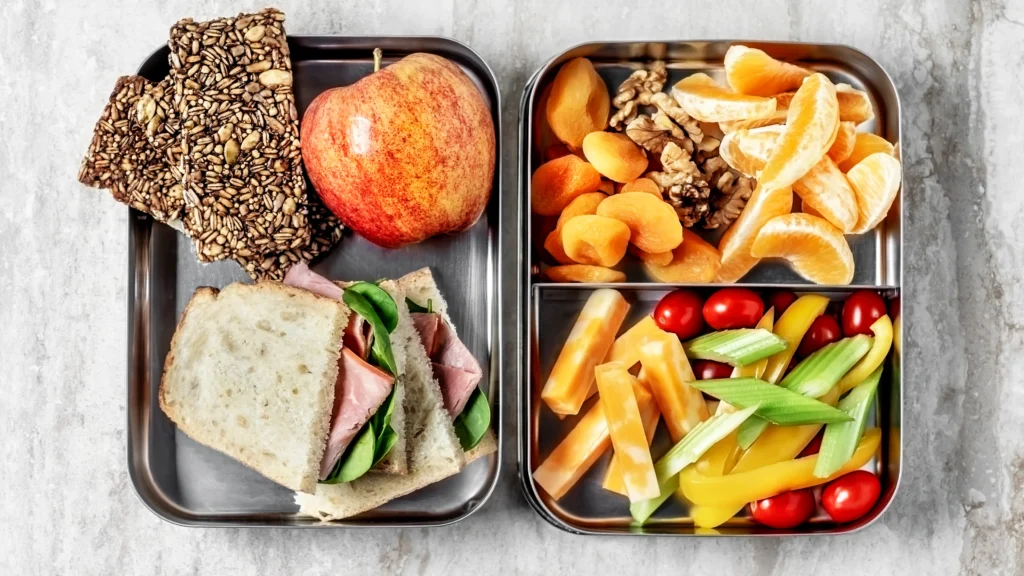
Many people think healthy food costs more because they focus on packaged “health” products. These items often carry a higher price without offering better nutrition.
Whole foods like rice, beans, oats, eggs, and vegetables are cheaper per serving and more filling. When you build meals around these staples, your cost drops fast.
1. Plan Your Meals Before You Shop
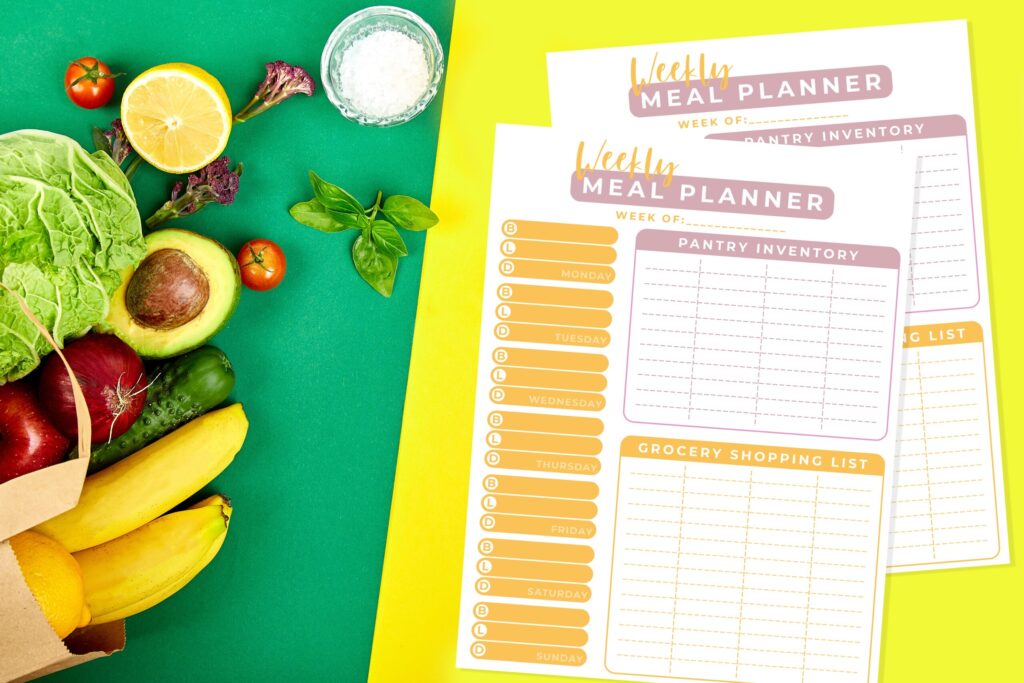
Meal planning is the foundation of eating healthy on a budget.
When you plan your meals:
- You avoid impulse purchases
- You reduce food waste
- You buy only what you need
Start with a simple weekly plan:
- 2–3 breakfast options
- 2–3 lunches
- 3–4 dinners
Repeat meals during the week to save time and money.
This aligns with high search trends like meal prep for the week and healthy meal prep ideas .
2. Build Meals Around Budget-Friendly Staples

Focus on foods that are:
- Affordable
- Nutritious
- Versatile
Best options:
- Rice, oats, pasta
- Beans, lentils
- Eggs
- Frozen vegetables
- Chicken thighs or ground meat
These ingredients stretch across multiple meals and reduce your cost per serving.
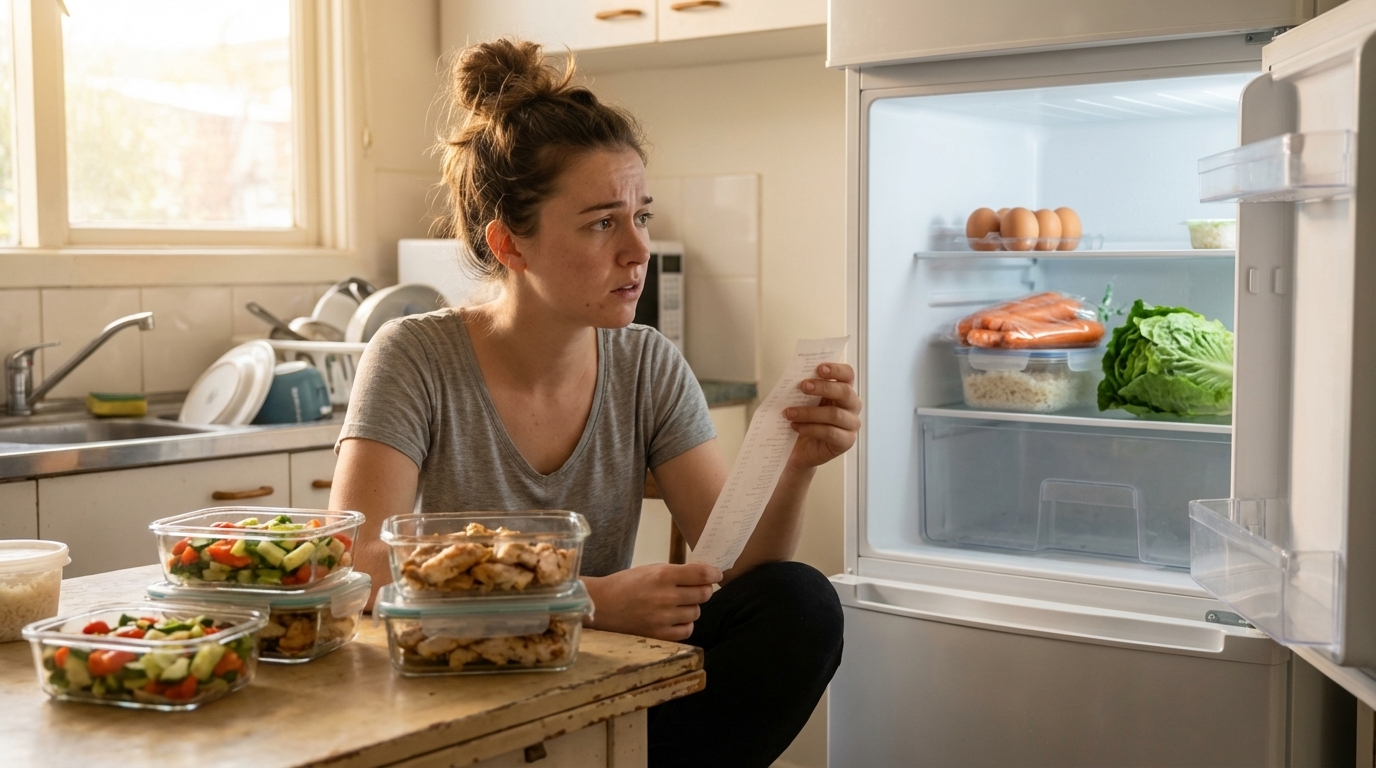
3. Use Smart Meal Prep to Save Time and Money
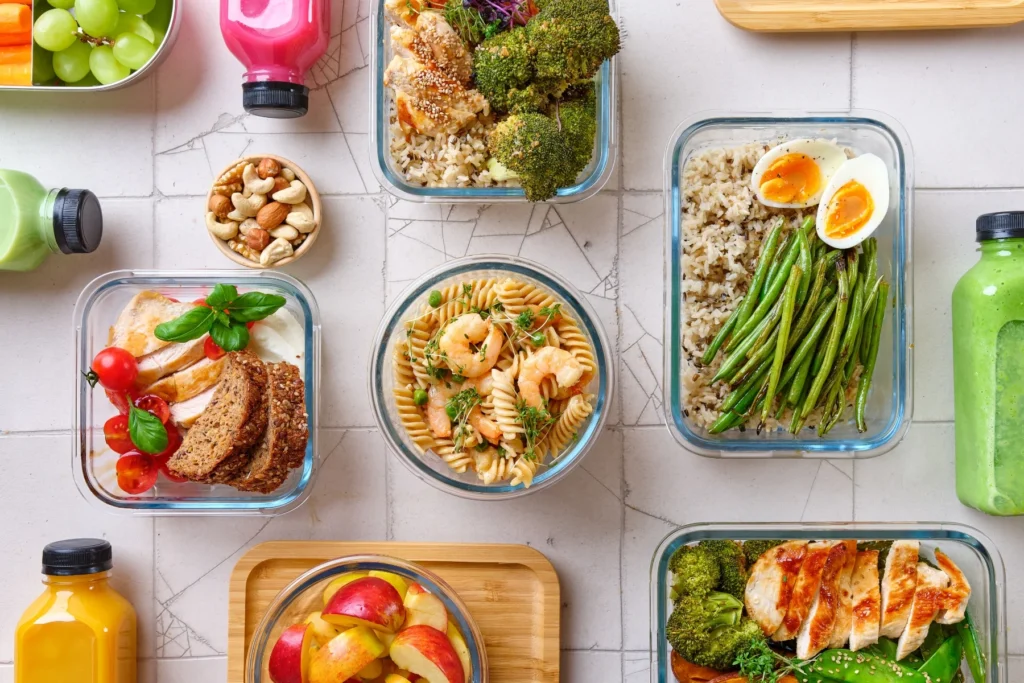
Meal prep helps you stay consistent and avoid expensive last-minute food choices.
Simple meal prep strategy:
- Cook in batches 1–2 times per week
- Store meals in containers
- Mix and match ingredients
Example:
- Cook rice + roasted vegetables + protein
- Create different bowls during the week
This method supports popular searches like cheap meal prep and healthy meal prep for the week .
4. Buy in Bulk and Choose Store Brands
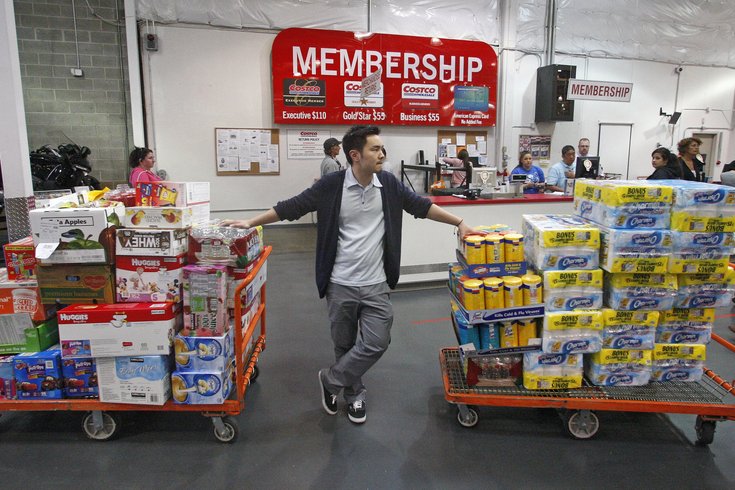
Buying in bulk reduces cost per unit, especially for:
- Grains
- Beans
- Frozen foods
Store brands often match the quality of name brands at a lower price.
This is one of the most effective ways to cut grocery costs without changing your diet.
5. Choose Frozen Over Fresh When Needed

Frozen fruits and vegetables:
- Cost less
- Last longer
- Retain nutrients
This reduces waste and keeps your meals consistent.
6. Keep Your Meals Simple
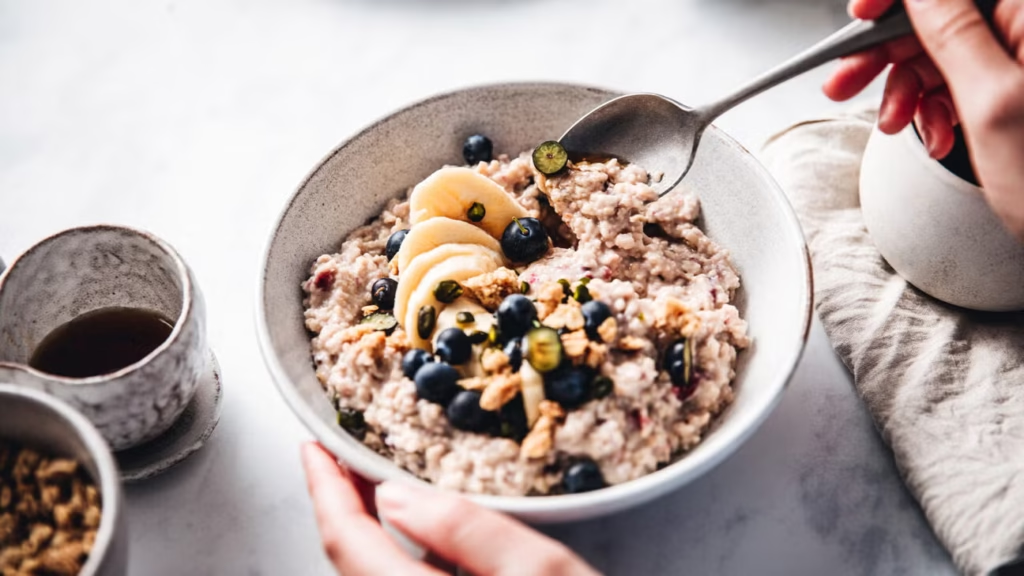
You do not need complex recipes to eat healthy.
Simple meals work best:
- Rice + vegetables + protein
- Oatmeal + fruit
- Eggs + toast + greens
Fewer ingredients mean lower cost and faster prep.
7. Cook at Home More Often

Eating out increases your food budget quickly.
Home cooking gives you:
- Full control over ingredients
- Lower cost per meal
- Better portion control
Even replacing a few meals per week makes a big difference.
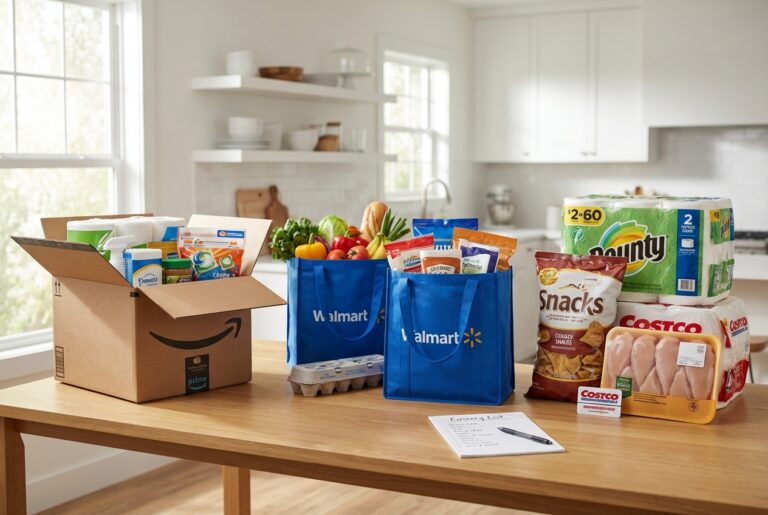
8. Use a Grocery List and Stick to It

A grocery list keeps you focused and prevents overspending.
High search trends like grocery list on a budget show how important this step is .
Tips:
- Write your list based on your meal plan
- Avoid shopping while hungry
- Skip unnecessary items
9. Reduce Food Waste
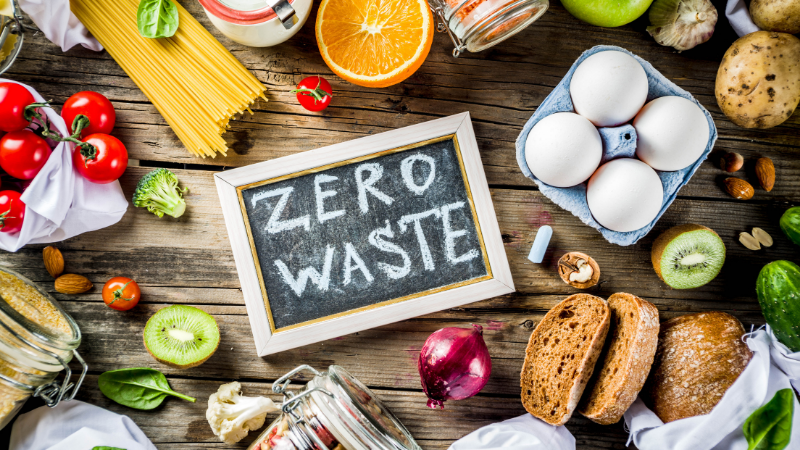
Food waste equals lost money.
Simple habits:
- Store food properly
- Freeze leftovers
- Use ingredients in multiple meals
Example:
Cooked chicken can be used for:
- Bowls
- Salads
- Wraps
10. Focus on Nutrient-Dense Foods
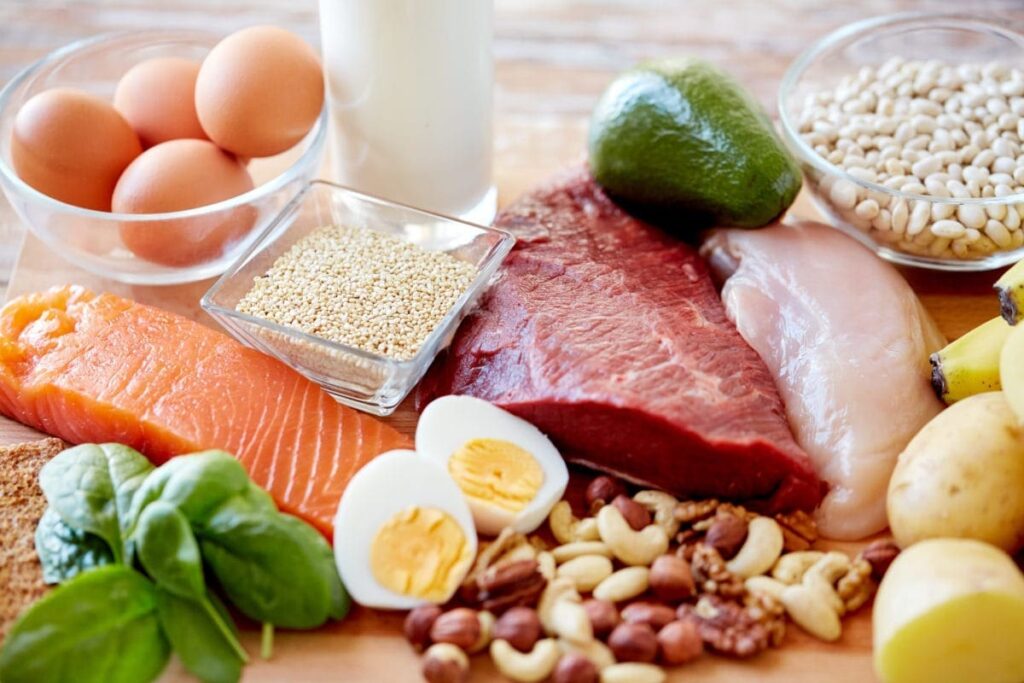
Healthy eating is about quality, not cost.
Choose foods that give more nutrition per dollar:
- Beans over processed snacks
- Eggs over packaged protein bars
- Whole grains over refined foods
Example Budget-Friendly Meal Prep Plan
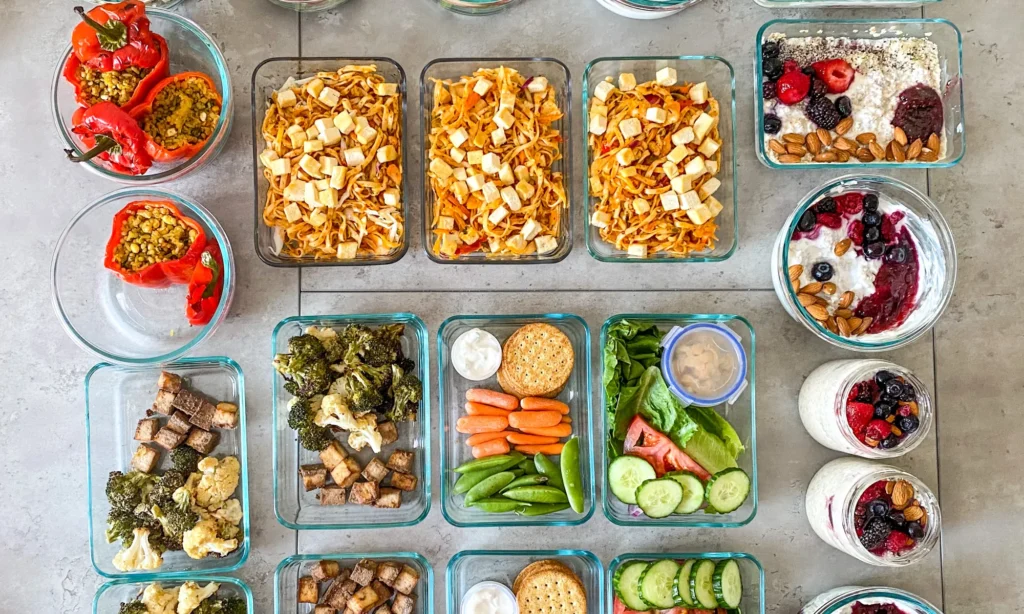
Breakfast:
- Oatmeal with fruit
Lunch:
- Rice bowl with vegetables and chicken
Dinner:
- Beans, rice, and sautéed vegetables
Snacks:
- Boiled eggs
- Fruit
This type of plan keeps costs low and nutrition high.
Final Thoughts
Eating healthy on a tight budget works when you focus on:
- Planning meals
- Using simple ingredients
- Preparing food in advance
Meal prep is the system that ties everything together. It saves time, reduces stress, and keeps you consistent.
If you stick to these habits, you spend less and eat better every week.