7-Day Anti-Inflammatory Meal Plan for Beginners (Easy Recipes to Reduce Inflammation)
Inflammation plays a role in many health problems including joint pain, digestive issues, fatigue, and chronic disease. Many people begin improving their health by following an anti inflammation diet built around whole foods such as vegetables, healthy fats, lean proteins, and antioxidant-rich ingredients.
Unlock 300+ Easy Recipes You’ll Actually Make
New recipes sent daily. Free forever!
A structured anti inflammation diet meal plan helps remove the guesswork from healthy eating. Instead of wondering what to cook every day, you follow a clear schedule filled with anti inflammation recipes designed to support your body.
This guide shares a 7-day anti-inflammatory meal plan inspired by nutritionists and health professionals. The meals focus on foods known to help reduce inflammation such as fatty fish, berries, leafy greens, nuts, olive oil, turmeric, and whole grains.
What Is an Anti-Inflammatory Diet?
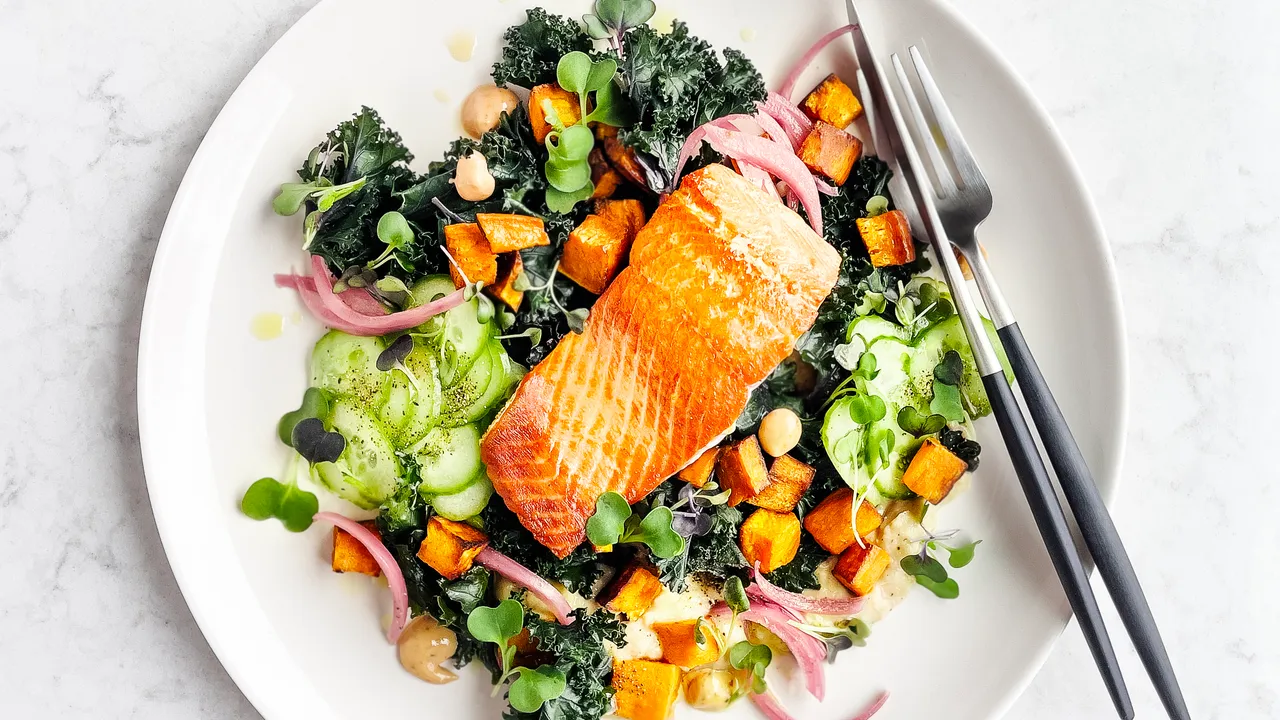
An anti inflammation diet focuses on foods that support the body’s natural healing process while limiting foods that increase inflammation.
Common anti-inflammatory foods include:
• leafy greens such as spinach and kale
• berries and antioxidant-rich fruits
• fatty fish like salmon and sardines
• nuts and seeds
• olive oil and healthy fats
• whole grains such as quinoa and oats
• herbs and spices including turmeric and ginger
Foods often limited in this diet include refined sugar, ultra-processed foods, fried foods, and excessive red meat.
Eating these foods regularly supports heart health, gut health, and long-term wellness.
Benefits of an Anti-Inflammatory Meal Plan
Following a structured anti inflammation meal plan helps many people:
• reduce joint discomfort
• support heart health
• improve digestion
• stabilize energy levels
• support healthy weight management
• improve overall nutrition balance
Because inflammation links to many chronic conditions, many doctors recommend eating more anti inflammation foods as part of a long-term lifestyle.
7-Day Anti-Inflammatory Meal Plan
This simple weekly plan includes balanced meals with vegetables, lean proteins, healthy fats, and whole grains.
Day 1
Breakfast
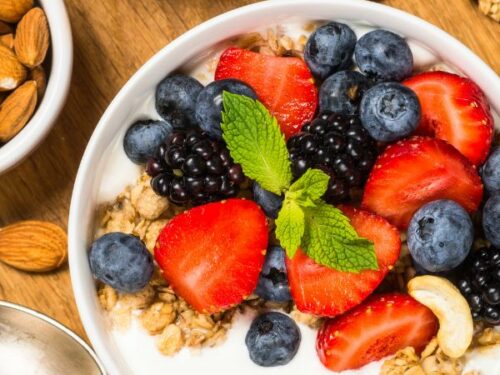
Greek yogurt with berries, walnuts, and honey.
Lunch
Quinoa salad with chickpeas, cucumber, olive oil, and lemon.
Dinner
Grilled salmon with roasted broccoli and sweet potato.
Snack
Apple slices with almond butter.
Day 2

Breakfast
Oatmeal topped with blueberries, chia seeds, and cinnamon.
Lunch
Spinach salad with grilled chicken, avocado, olive oil, and pumpkin seeds.
Dinner
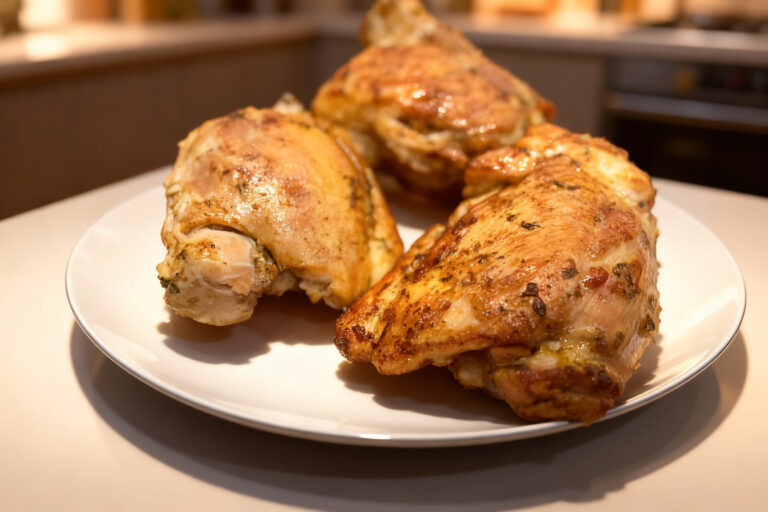
Turmeric chicken with brown rice and roasted vegetables.
Snack
Greek yogurt with strawberries.

Day 3

Breakfast
Green smoothie with spinach, banana, berries, almond milk, and flaxseeds.
Lunch
Lentil soup with carrots, celery, and herbs.
Dinner
Baked salmon with quinoa and asparagus.
Snack
Handful of almonds and a small orange.
Day 4
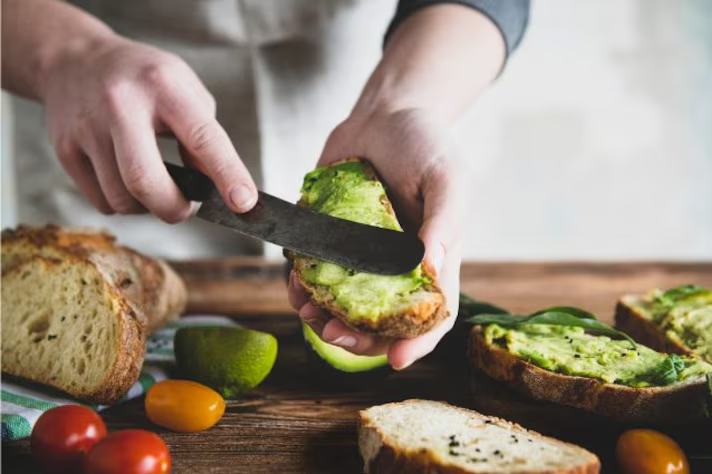
Breakfast
Avocado toast on whole grain bread with tomato and olive oil.
Lunch
Mediterranean bowl with chickpeas, cucumbers, tomatoes, olives, and feta.
Dinner
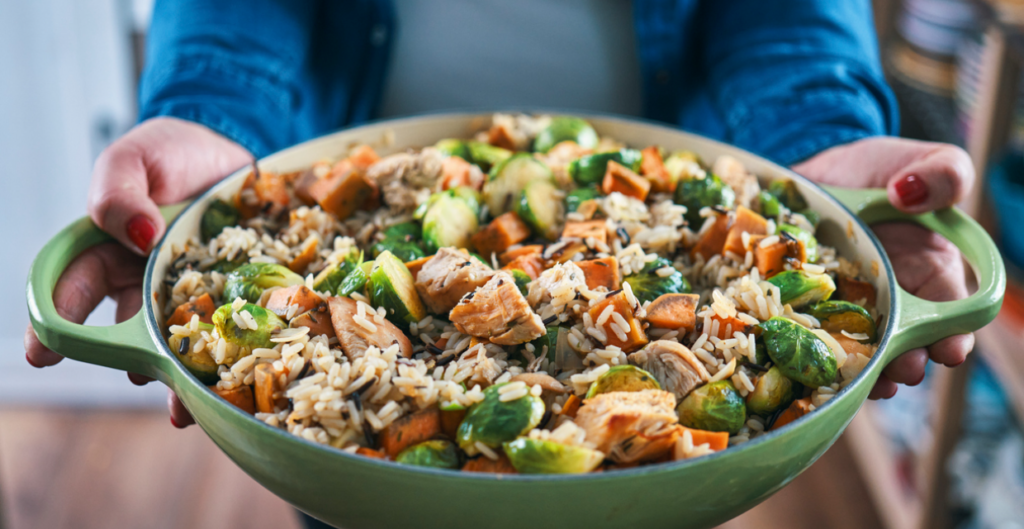
Grilled chicken with roasted Brussels sprouts and sweet potatoes.
Snack
Greek yogurt with raspberries.
Day 5
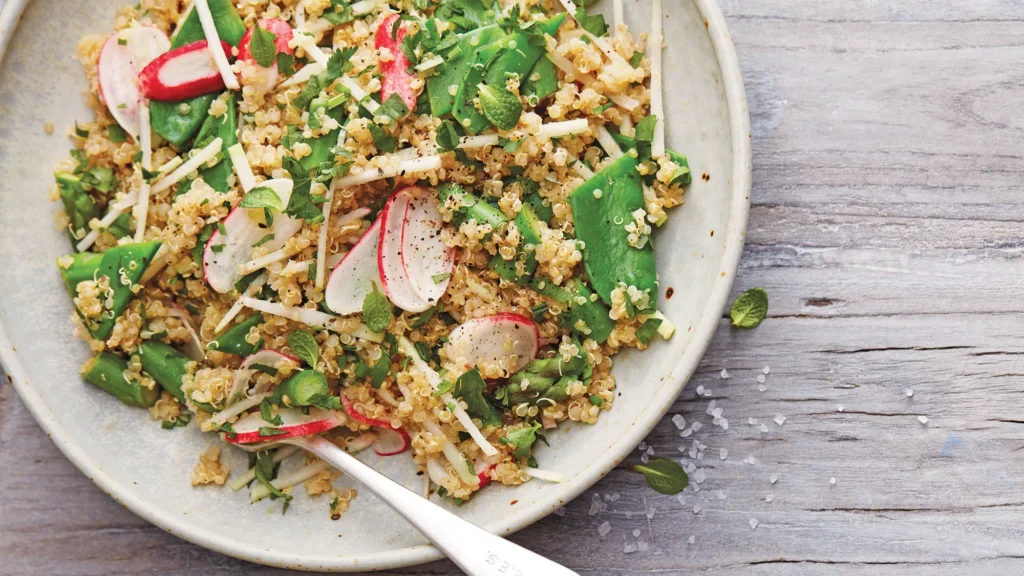
Breakfast
Chia pudding made with almond milk and topped with berries.
Lunch
Quinoa and roasted vegetable salad with tahini dressing.
Dinner
Garlic shrimp with brown rice and sautéed spinach.
Snack
Apple slices with walnuts.
Day 6
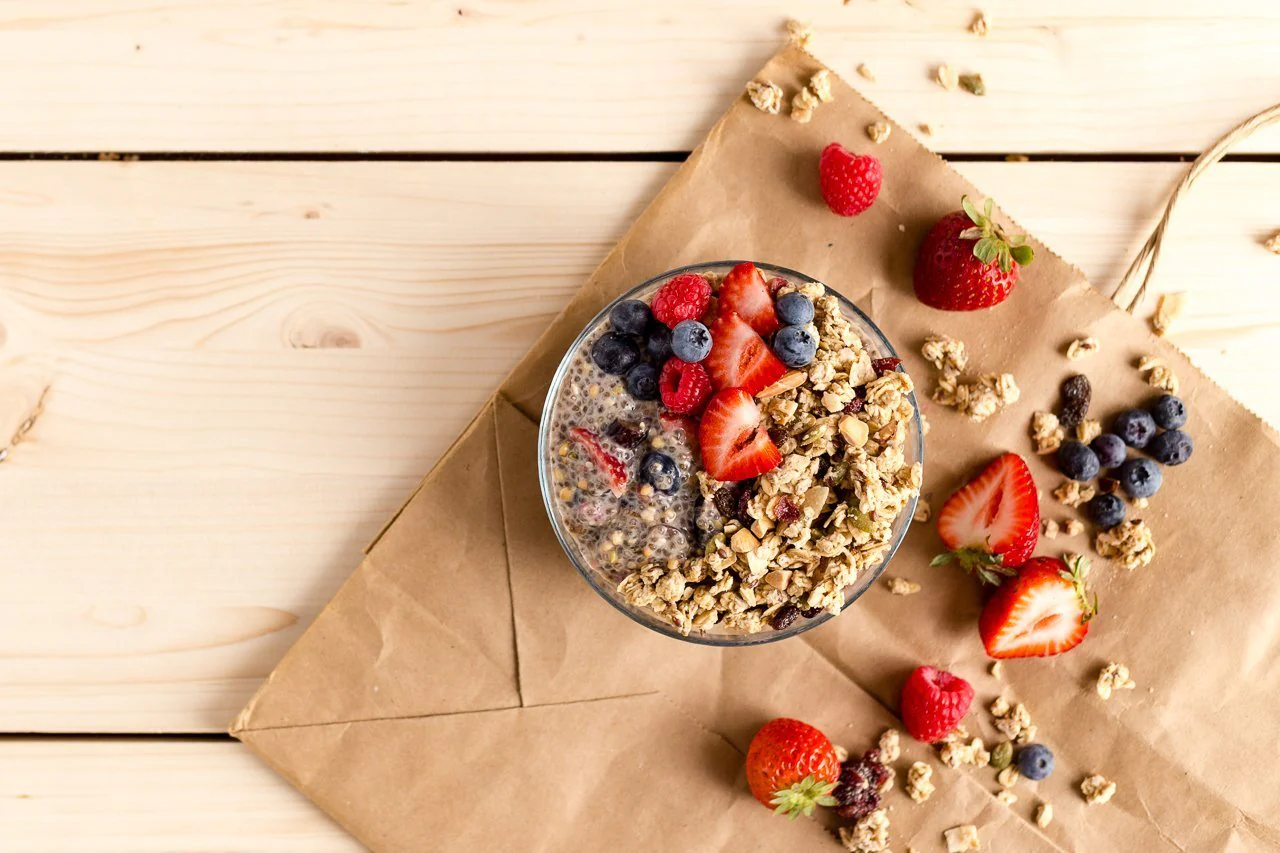
Breakfast
Oatmeal with cinnamon, apples, and flaxseed.
Lunch
Salmon salad with leafy greens, avocado, olive oil, and lemon.
Dinner
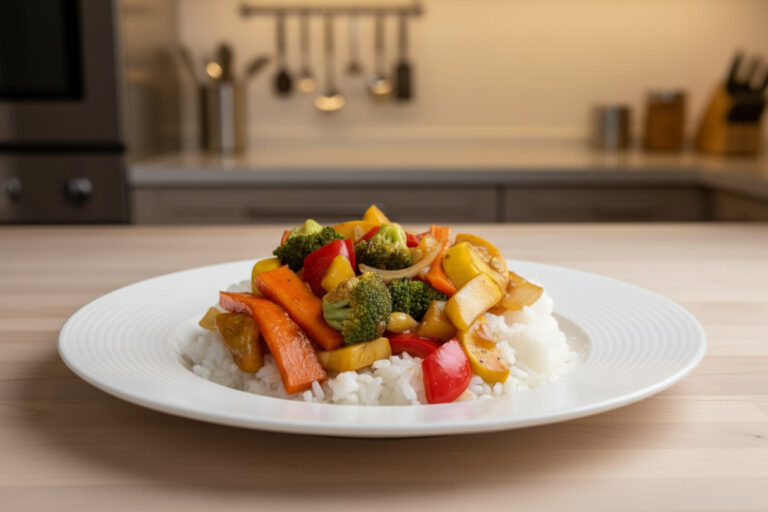
Vegetable stir fry with tofu and quinoa.
Snack
Mixed berries and almonds.
Day 7
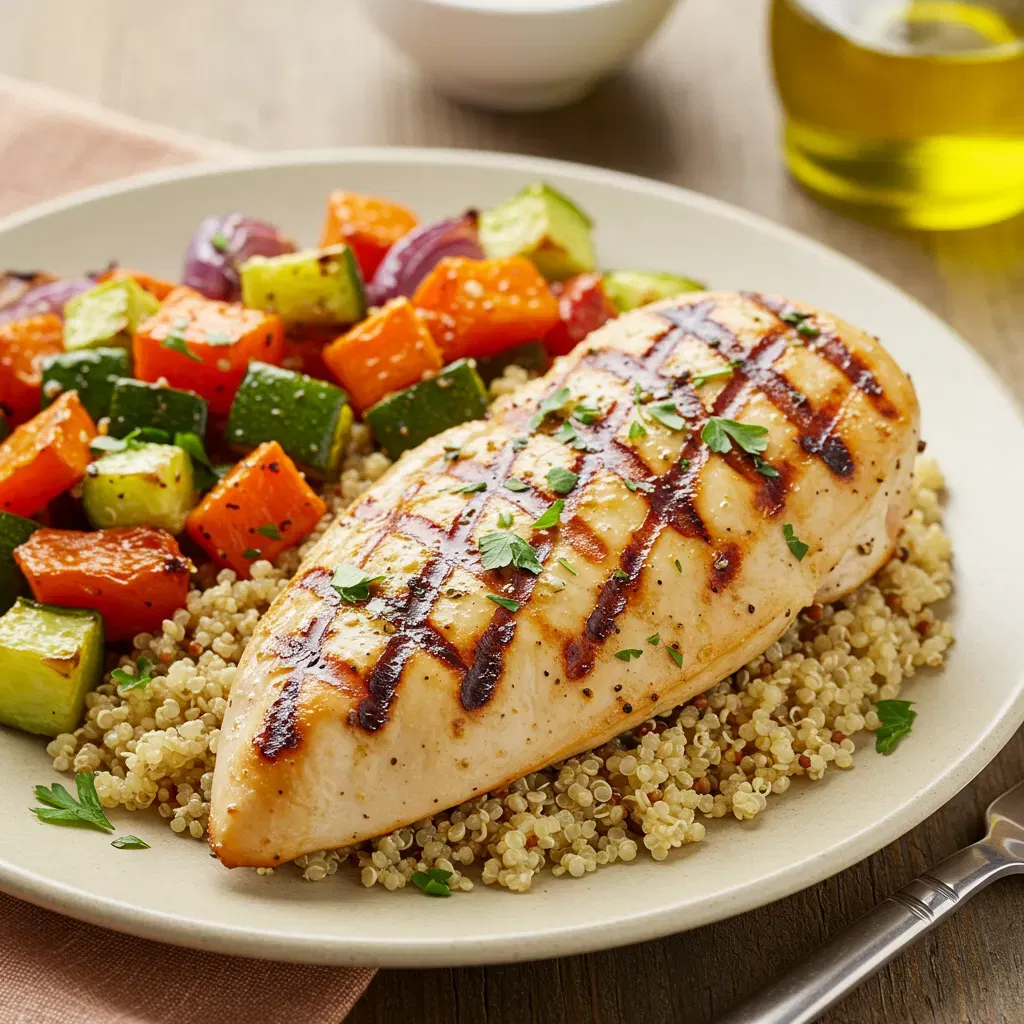
Breakfast
Greek yogurt parfait with granola, berries, and honey.
Lunch
Lentil and vegetable bowl with olive oil dressing.
Dinner
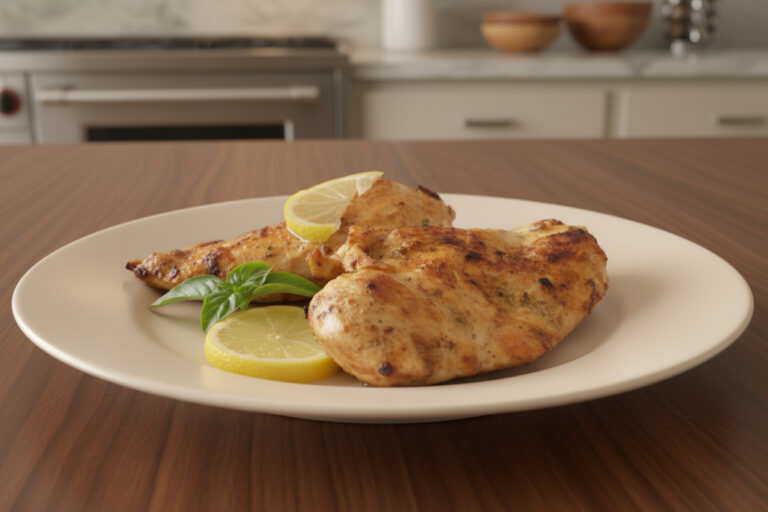
Grilled chicken with roasted vegetables and quinoa.
Snack
Carrot sticks with hummus.
Best Anti-Inflammatory Foods to Include
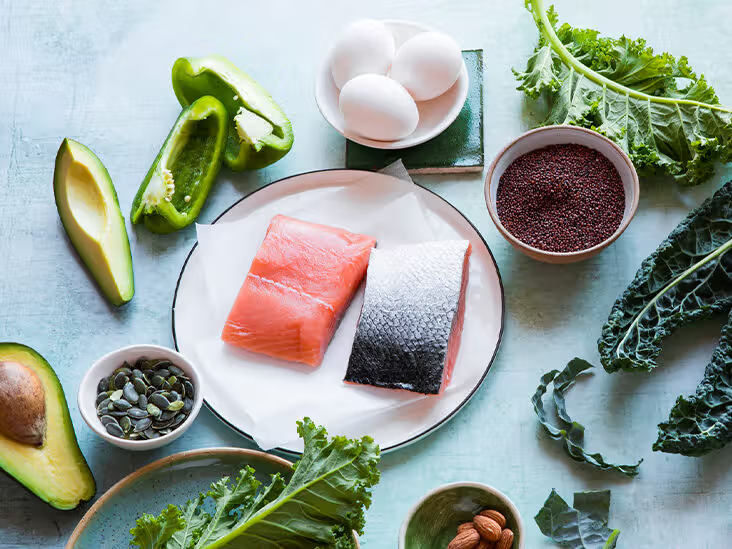
When planning meals, try to build dishes around these anti inflammation foods:
Fatty Fish
Salmon, sardines, and mackerel contain omega-3 fats that help regulate inflammation.
Leafy Greens
Spinach, kale, and arugula provide antioxidants and fiber.
Berries
Blueberries, strawberries, and raspberries contain polyphenols that support cellular health.
Nuts and Seeds
Walnuts, almonds, chia seeds, and flaxseed contain healthy fats and nutrients.
Olive Oil
A core ingredient in Mediterranean-style eating patterns.
Herbs and Spices
Turmeric, ginger, and garlic support immune and inflammatory balance.
Anti-Inflammatory Foods to Limit

Reducing certain foods also plays a role in managing inflammation.
Try to limit:
• refined sugars and sugary drinks
• ultra-processed foods
• excessive alcohol
• fried foods
• refined carbohydrates
Replacing these foods with whole ingredients improves overall diet quality.
Simple Tips to Follow an Anti-Inflammatory Diet

Many people find this lifestyle easier when they follow a few basic habits.
Cook More Whole Foods
Focus on vegetables, grains, and healthy proteins.
Add Color to Your Plate
Different colored fruits and vegetables provide different antioxidants.
Use Healthy Fats
Olive oil, nuts, and seeds support anti inflammatory eating.
Plan Meals Ahead
A weekly meal plan reduces stress and helps avoid unhealthy choices.
Frequently Asked Questions

What foods reduce inflammation quickly?
Foods rich in antioxidants and omega-3 fats help support the body’s anti inflammatory processes. Examples include berries, salmon, leafy greens, olive oil, and nuts.
Is the Mediterranean diet anti inflammatory?
Yes. Many experts consider Mediterranean eating patterns one of the most effective anti inflammation diets because they focus on whole foods, vegetables, and healthy fats.
How long does it take to see results?
Some people notice improvements in digestion or energy within a few weeks. Long-term benefits appear when the diet becomes a consistent lifestyle.
Final Thoughts
Following a 7-day anti-inflammatory meal plan gives your body the nutrients needed to reduce inflammation and support overall health.
By focusing on whole foods, healthy fats, lean proteins, and antioxidant-rich ingredients, you create meals that nourish your body while keeping inflammation under control.
Even small dietary changes can make a meaningful difference over time.