Best Credit Cards for Groceries: Maximize Your Cashback in 2026
Groceries are one of the biggest monthly expenses for most households. The right credit card helps you turn that spending into real savings.
Unlock 300+ Easy Recipes You’ll Actually Make
New recipes sent daily. Free forever!

If you spend $400 to $800 per month on groceries, a good cashback card can return $200 to $600 per year. The key is choosing the right card and using it with a clear strategy.
This guide shows you the best credit cards for groceries and how to maximize every dollar you spend.
Why Grocery Credit Cards Matter
Grocery stores rank among the highest everyday expenses. According to search trends, terms like grocery store reach over 100K monthly searches, which shows how important this category is for households
At the same time, interest in credit cards and best credit cards continues to grow, with thousands of monthly searches

This creates one opportunity. You already spend on groceries. You earn rewards on that spending.
What Makes a Credit Card Great for Groceries

Not all cards give strong grocery rewards. Focus on these factors:
1. High Cashback Rate

Look for cards offering:
- 3% to 6% cashback at supermarkets
- Bonus categories for groceries
2. Spending Limits

Some cards cap rewards. For example:
- 6% cashback up to $6,000 per year
- Then lower rewards after the limit
3. Annual Fee vs Rewards

A card with a fee makes sense if:
- Your grocery spending is high
- The cashback outweighs the fee
4. Store Eligibility

Some cards only work at:
- U.S. supermarkets
- Not Walmart or wholesale clubs
Best Credit Cards for Groceries (2026)
Based on your reference sources, these are the top-performing options.
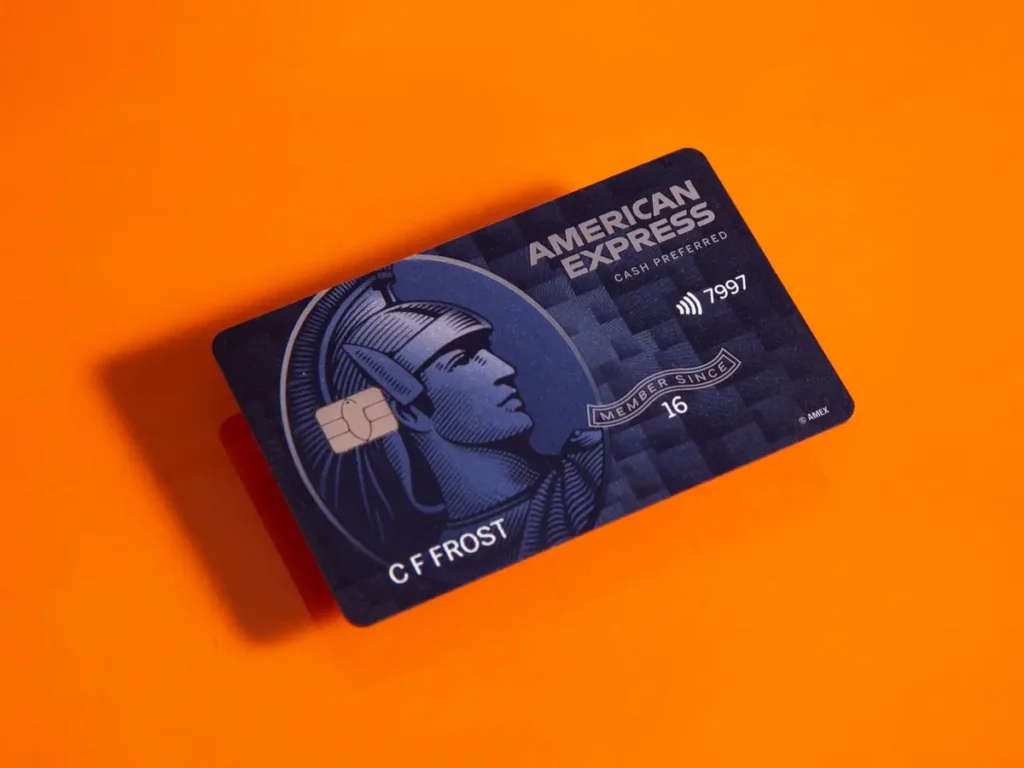
1. Blue Cash Preferred® Card from American Express
Best for high cashback
- 6% cashback at U.S. supermarkets
- Strong rewards on streaming and gas
- Annual fee applies
Best for families with high grocery spending. If you spend around $500 per month, this card gives strong returns.
2. Blue Cash Everyday® Card from American Express
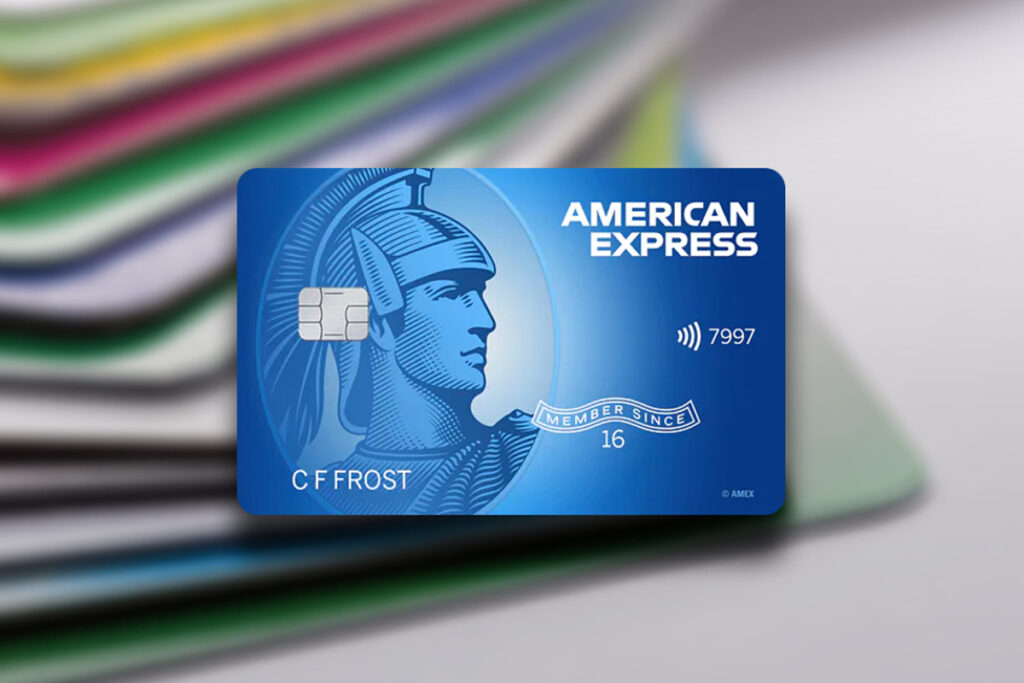
Best no annual fee option
- 3% cashback at supermarkets
- No annual fee
- Simple rewards structure
Best for beginners or low to moderate spending.
3. Capital One SavorOne Cash Rewards Credit Card
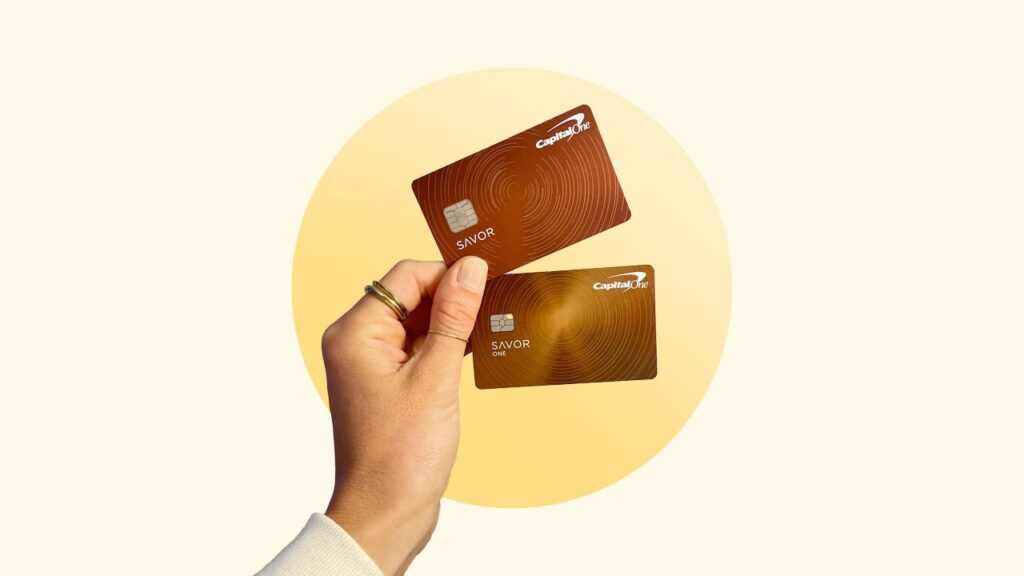
Best for flexible spending

- 3% cashback on groceries, dining, entertainment
- No annual fee
Good if you want rewards beyond groceries.

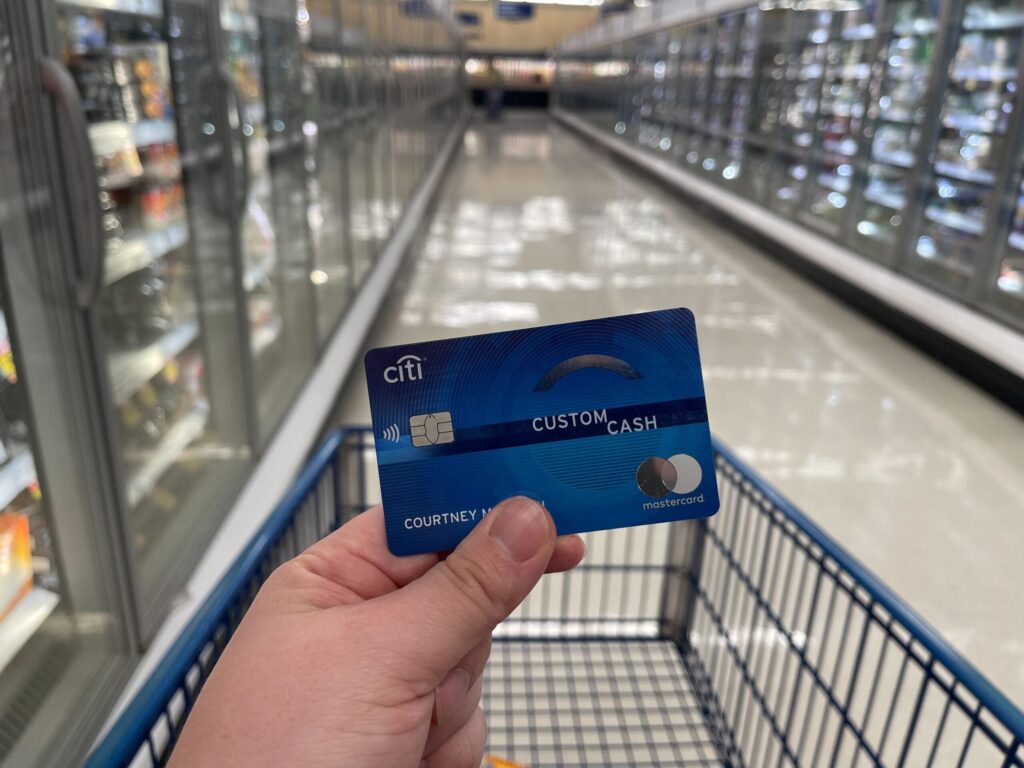
4. Citi Custom Cash® Card
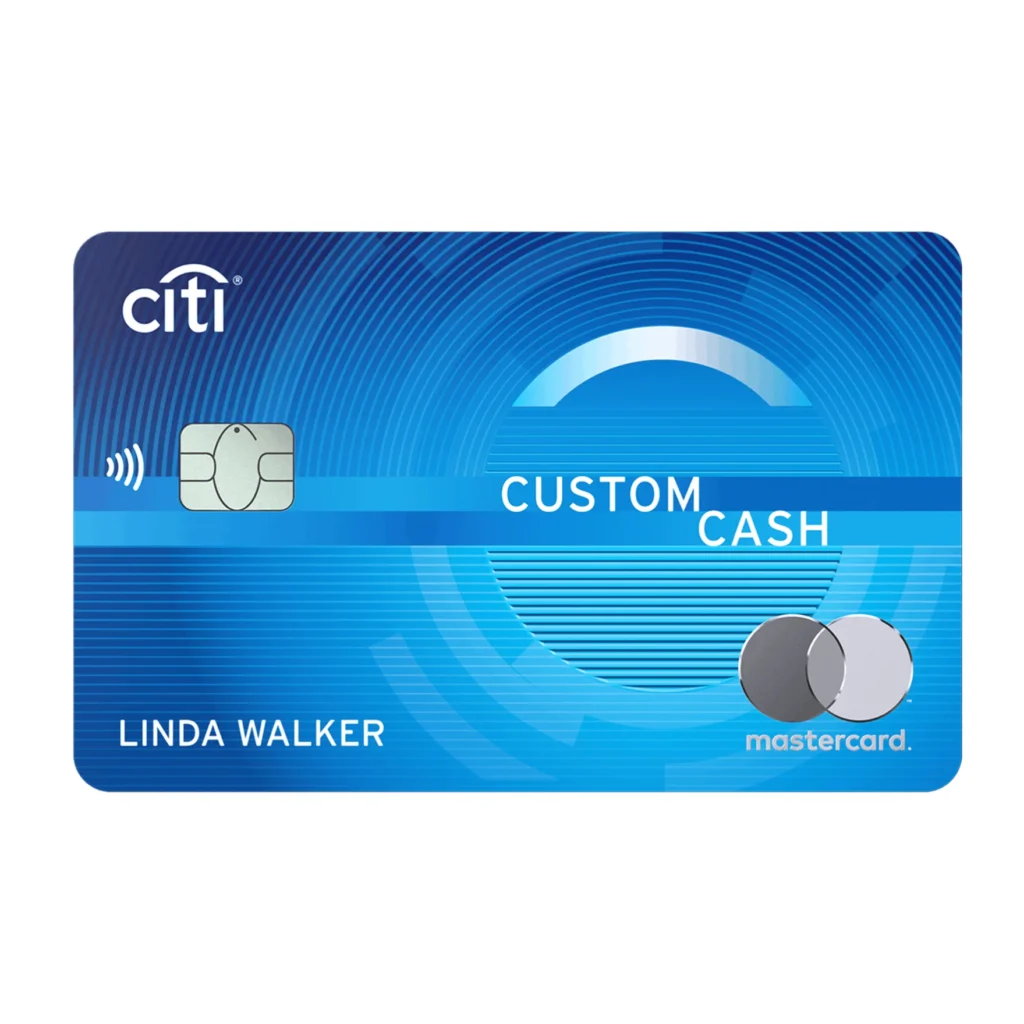
Best for rotating rewards
- 5% cashback on top spending category
- Groceries often qualify
Works well if groceries are your highest monthly expense.
5. Chase Freedom Flex®
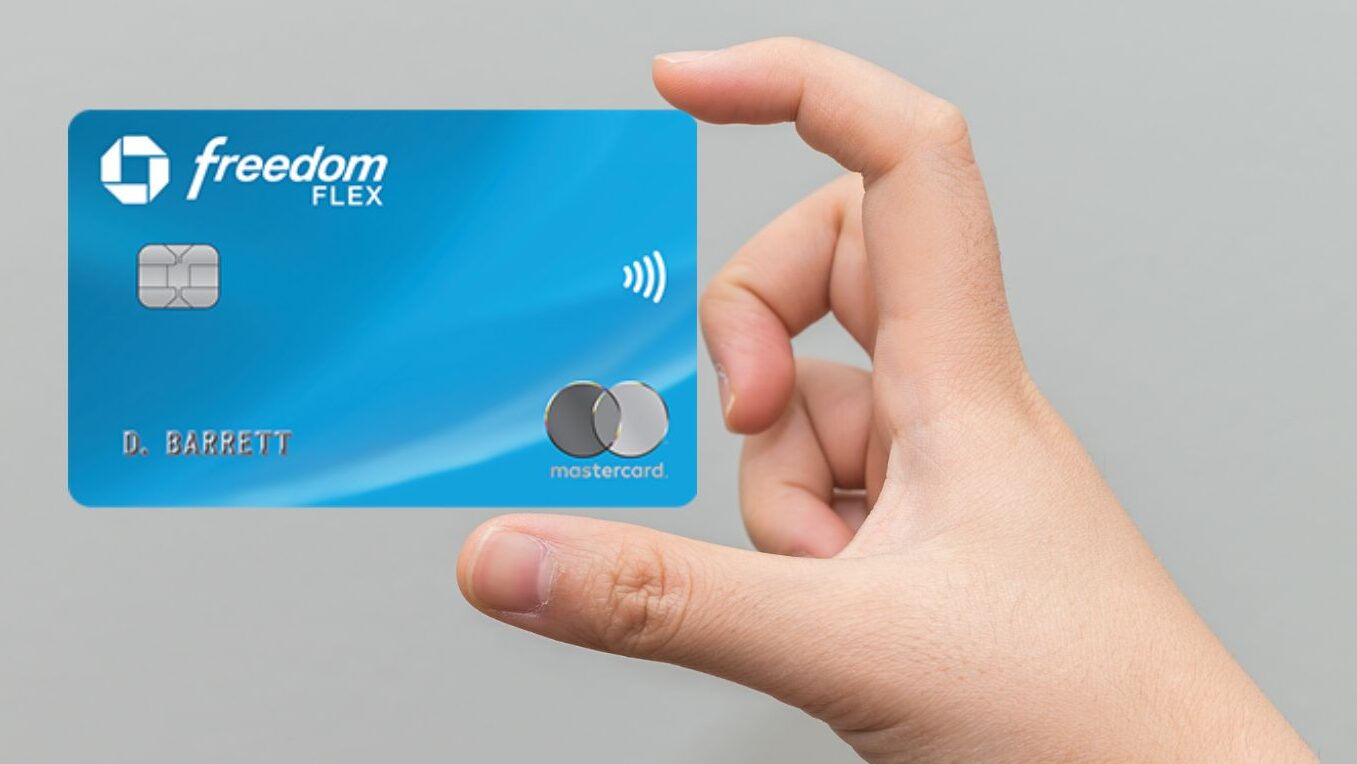
Best for rotating bonus categories
- 5% cashback in rotating categories
- Grocery stores appear during certain quarters
Use this card strategically when groceries are in the bonus category.
How to Maximize Grocery Cashback
Choosing a card is only the first step. Your strategy matters more.
Use Multiple Cards
Example:
- Card A: 6% groceries
- Card B: 5% rotating categories
- Card C: 2% everything else
This setup increases total rewards.
Track Spending Caps
If your card limits rewards:
- Stop using it after reaching the cap
- Switch to another card
Combine with Cashback Apps
Use apps like:
- Receipt reward apps
- Store loyalty programs
This stacks savings on top of your credit card rewards.
Pay Your Balance in Full
Interest cancels your cashback. Always:
- Pay the full balance each month
- Avoid carrying debt
Common Mistakes to Avoid
- Using the wrong card at checkout
- Ignoring reward limits
- Paying annual fees without enough usage
- Forgetting bonus category activation
Each mistake reduces your savings.
Example: How Much You Can Save
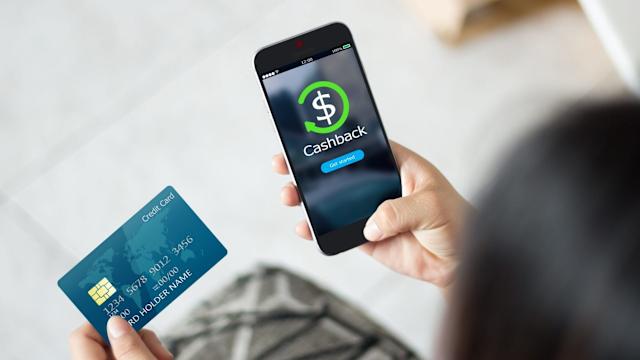
Let’s break it down:
- Monthly groceries: $600
- Cashback rate: 5%
- Monthly rewards: $30
- Yearly rewards: $360
This is money you already spend. The card simply gives part of it back.
Final Thoughts

The best grocery credit card depends on your habits. If you spend more, a high cashback card with a fee works well. If you spend less, a no-fee card keeps things simple.
Focus on one goal. Earn rewards on purchases you already make.