How to Use Price Match Guarantees to Save Hundreds
Rising prices push many households to look for smarter ways to reduce spending. One simple strategy helps shoppers pay the lowest price without searching dozens of stores. Retailers call this a price match guarantee.
Unlock 300+ Easy Recipes You’ll Actually Make
New recipes sent daily. Free forever!

A price match policy allows a store to match a lower price from a competitor. When used correctly, this policy helps shoppers save money on electronics, groceries, clothing, and household products.
Many shoppers ignore this strategy even though stores advertise it openly. Learning how price matching works gives you an advantage each time you shop.
This guide explains how price match guarantees work and how you use them to save hundreds each year.
What Is a Price Match Guarantee?
A price match guarantee means a retailer agrees to match a competitor’s lower price for the same product.
The product must match in brand, model, and specifications. Many retailers also require the competitor to operate locally or online within the same region.
Some stores offer an additional benefit called price protection. If you buy a product and later find the same item cheaper somewhere else, the retailer refunds the difference.
This policy helps customers avoid paying more than necessary.
Why Price Matching Helps You Save Money
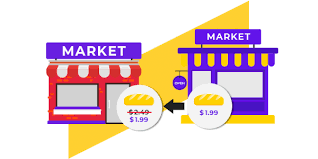
Many stores compete aggressively on pricing. Instead of losing customers, retailers choose to match competitor prices.
This practice allows shoppers to:
- Save money without visiting multiple stores
- Buy from a trusted retailer while paying the lowest price
- Receive refunds when prices drop after purchase
For shoppers focused on how to save money, price matching works as one of the simplest strategies available.
Step 1: Understand the Store’s Price Match Rules

Each retailer sets different rules.
Common requirements include:
- The item must match in brand and model
- The competitor must sell the same product
- The lower price must appear on a valid website or advertisement
- The request must happen before purchase or within a limited period after purchase
Before shopping, review the store’s policy on its website under sections labeled:
- Price Match
- Price Promise
- Lowest Price Guarantee
Knowing these rules prevents rejection when requesting a match.
Step 2: Find Stores That Offer Price Matching
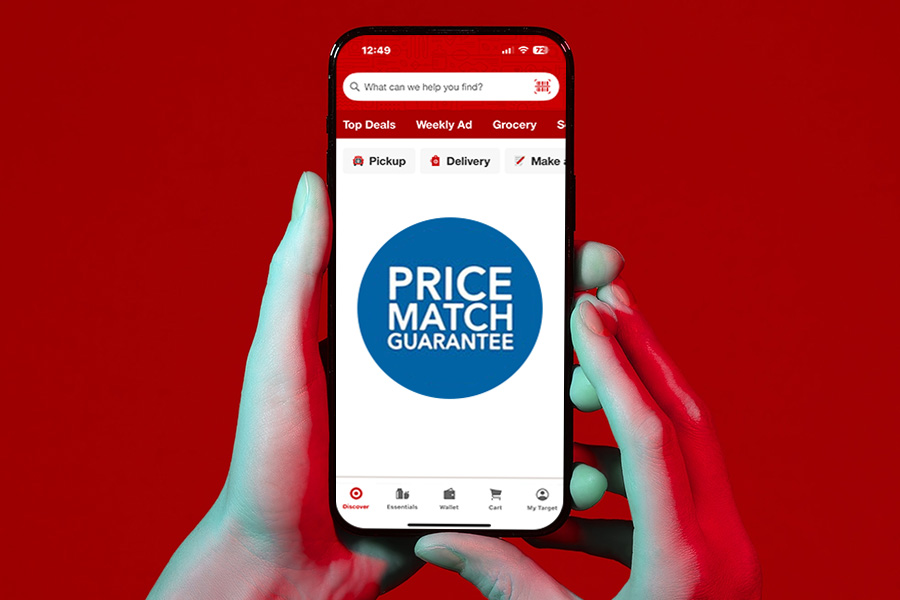
Not every retailer provides price matching, though many major chains do.
Large electronics stores, supermarkets, and department stores often advertise price match guarantees to remain competitive.
Examples of retailers known for price matching include major appliance stores and department chains. Some also match both online and in-store competitors.
When planning a purchase, choose stores with this policy first.
Step 3: Use Price Comparison Tools

Price matching works only when you locate a lower price.
Several free tools help you compare prices quickly:
Google Shopping
Displays prices from many retailers in seconds.
Price comparison websites
Platforms such as PriceRunner collect prices from different stores and highlight the cheapest option.
Browser extensions
Some tools track price drops while shopping online.
These tools make the process fast and increase your chances of finding a better price.
Step 4: Keep Proof of the Lower Price
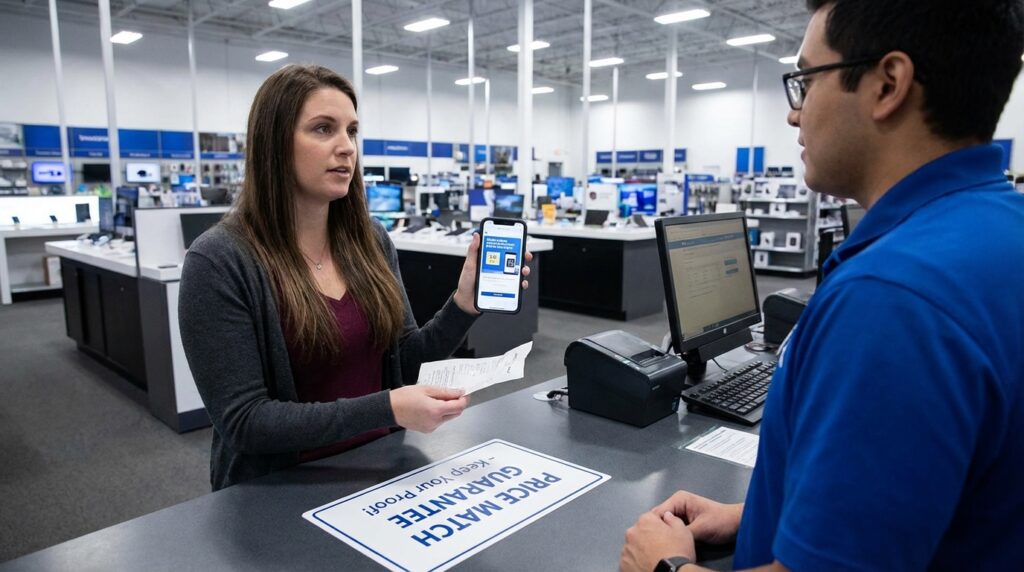
Retailers require proof before approving a price match.
Common proof includes:
- A screenshot of the product page
- A direct website link
- A printed advertisement
After finding the lower price:
- Save the page or take a screenshot
- Show the proof to customer service
- Ask for a price match before paying
Most stores approve the request quickly once proof appears.
Step 5: Claim Refunds After Buying

Many shoppers forget about post-purchase price protection.

If you purchase a product and later see a lower price elsewhere, some retailers refund the difference.
Steps to follow:
- Save your receipt
- Monitor the price for a few days
- Contact customer service if the price drops
- Provide proof of the lower price
This approach helps you recover money after the purchase.
Extra Tips to Maximize Price Matching Savings

Price matching works even better when combined with other saving strategies.
Try these tips:
Combine price match with sales
Many retailers allow price matching during promotional periods.
Use cashback or loyalty programs
These rewards increase your total savings.
Ask about additional discounts
Some stores offer extra discounts beyond the matched price.
Compare prices before visiting the store
This preparation saves time and improves success when requesting a match.
Retailers encourage price matching because it keeps customers loyal while maintaining competitive pricing.
Common Mistakes When Using Price Match Policies

Avoid these errors when requesting a price match.
Product differences
A small difference in model number often leads to rejection.
Invalid competitor
Some stores only match specific retailers.
Expired promotions
The lower price must still appear active.
Missing proof
Retailers usually require clear evidence of the competitor price.
Careful preparation prevents these issues.
Real Example of Price Match Savings

Imagine you plan to buy a blender for $120.
You search online and find the same model for $95 at another store.
Instead of buying from the cheaper retailer, you request a price match at your preferred store.
The store matches the $95 price.
Your savings equal $25 instantly without extra travel or waiting.
Apply this strategy across multiple purchases and the savings quickly reach hundreds of dollars per year.
Final Thoughts

Price match guarantees remain one of the easiest ways to save money while shopping.
The strategy requires only a few minutes of research before buying. When used consistently, price matching prevents overpaying and protects your budget.
Follow these steps:
- Understand store policies
- Compare prices online
- Keep proof of lower prices
- Request a price match before or after buying
These habits turn everyday shopping into a smart saving strategy.

Disclosure: Some links on this page may be affiliate or sponsored links. We may receive compensation if you click or make a purchase through these links.