DIY Cleaning Products: Save Money and Go Chemical-Free
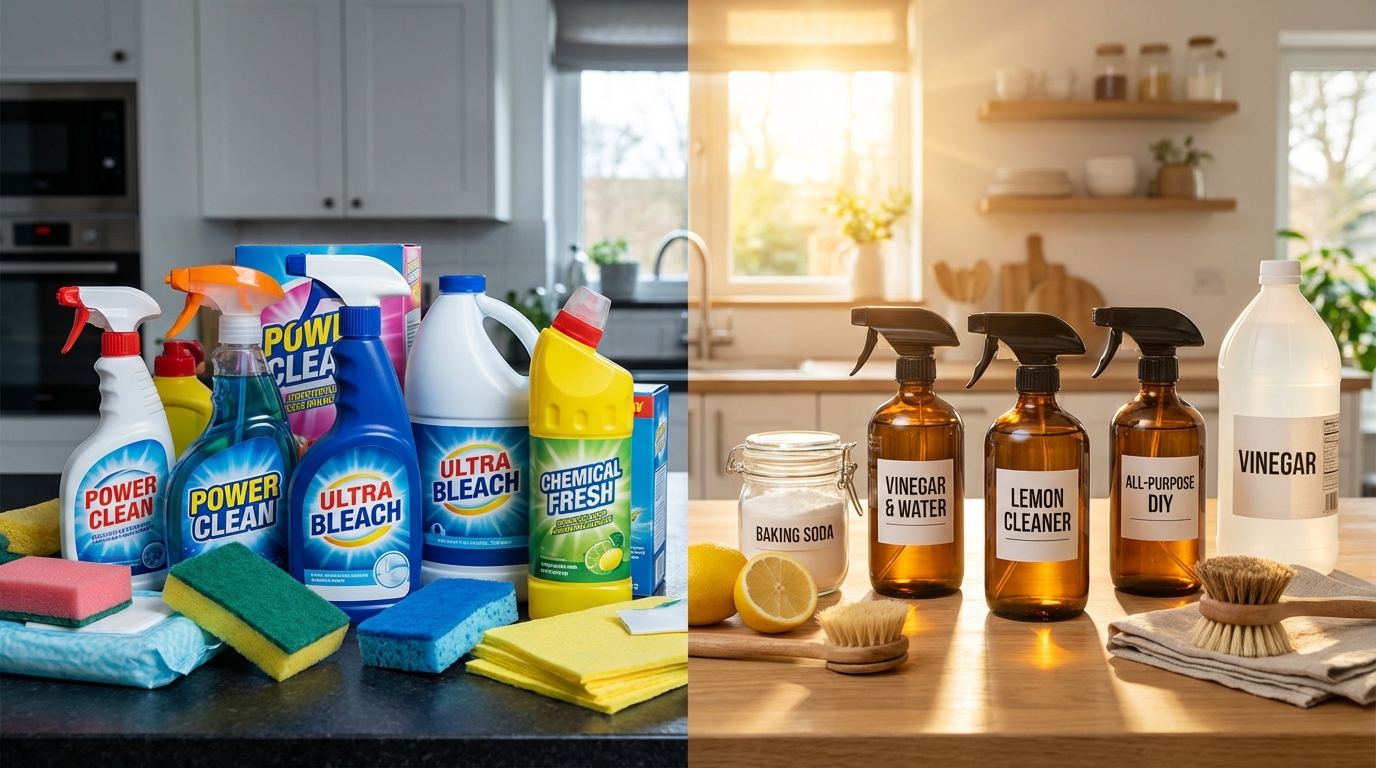
Cleaning your home does not require expensive products full of harsh chemicals. Many common household cleaners contain ingredients that linger on surfaces and release fumes into the air. Over time, exposure to these chemicals leads to irritation, allergies, and environmental harm.
Unlock 300+ Easy Recipes You’ll Actually Make
New recipes sent daily. Free forever!
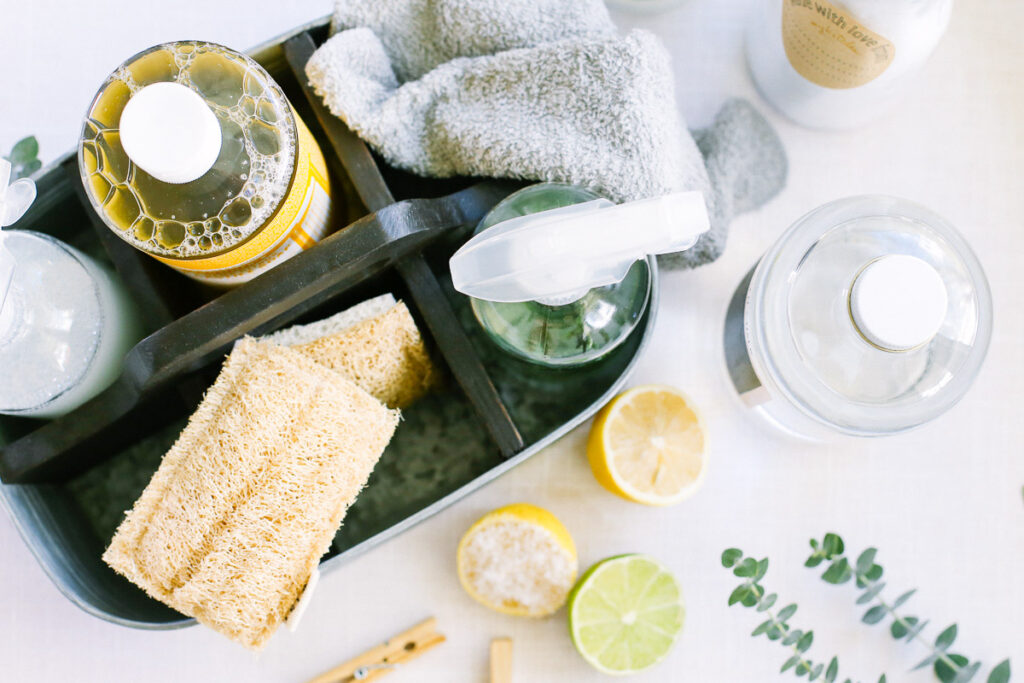
A simple shift toward DIY cleaning products solves two problems at once. You reduce chemical exposure in your home and cut spending on commercial cleaners. Homemade cleaning solutions often use basic pantry ingredients such as vinegar and baking soda. These options clean effectively, cost little, and reduce unnecessary waste.
This guide shows how to make natural cleaning products for every room in your home.
Why Switch to DIY Natural Cleaning Products
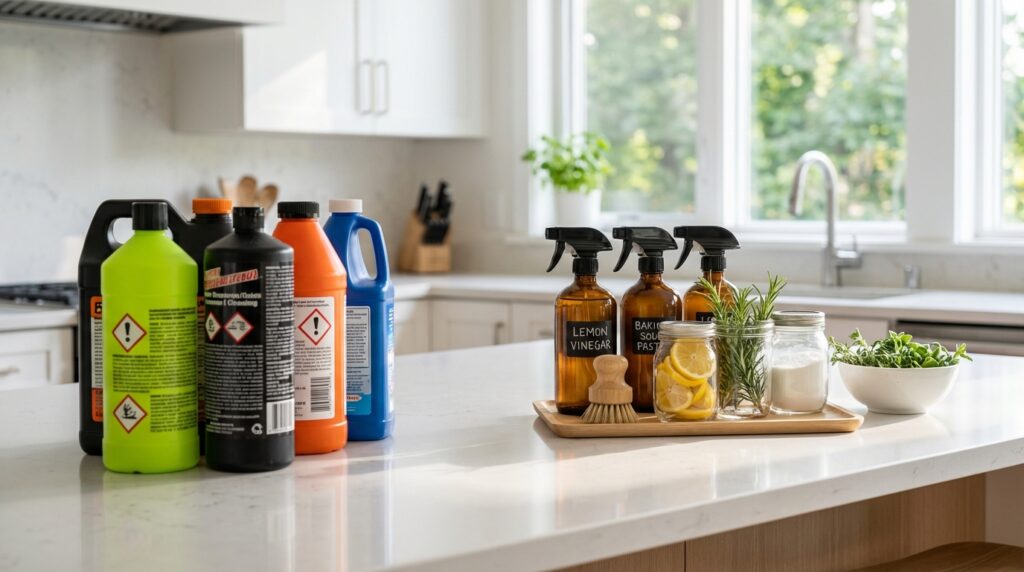
Commercial cleaners often contain strong chemicals such as bleach or synthetic fragrances. These ingredients remain on surfaces and release vapors into indoor air. Continuous exposure increases irritation risk and harms aquatic ecosystems when rinsed down drains.
Homemade alternatives offer several benefits:

- Safer homes, especially with children and pets
- Lower household expenses through simple ingredients
- Reduced chemical exposure on surfaces and in the air
- Less packaging waste and environmental impact
Household staples such as vinegar and baking soda perform many cleaning tasks effectively while remaining affordable and widely available.
Essential Ingredients for Natural Cleaning
Most homemade cleaning products rely on a few affordable items.
White Vinegar
Vinegar works as a natural disinfectant and multipurpose cleaner. A mixture of vinegar and water cleans glass, surfaces, and appliances effectively.
Baking Soda
Baking soda absorbs odors and removes grime. When mixed with water, it forms a gentle scrubbing paste for ovens, sinks, and tiles.
Olive Oil
Olive oil helps polish and protect wood surfaces when combined with vinegar.
Cornstarch
Cornstarch improves glass cleaning solutions by reducing streaks.
These simple ingredients handle many cleaning tasks without the cost or toxicity of commercial products.

10 DIY Cleaning Products You Can Make at Home
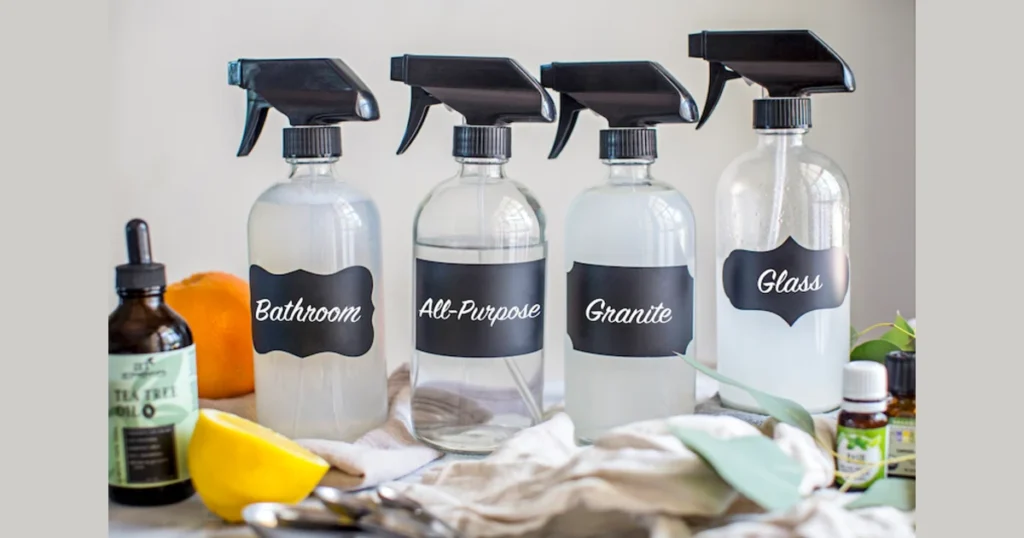
The following natural cleaning recipes come from poison control experts and home cleaning research.
1. All-Purpose Cleaner
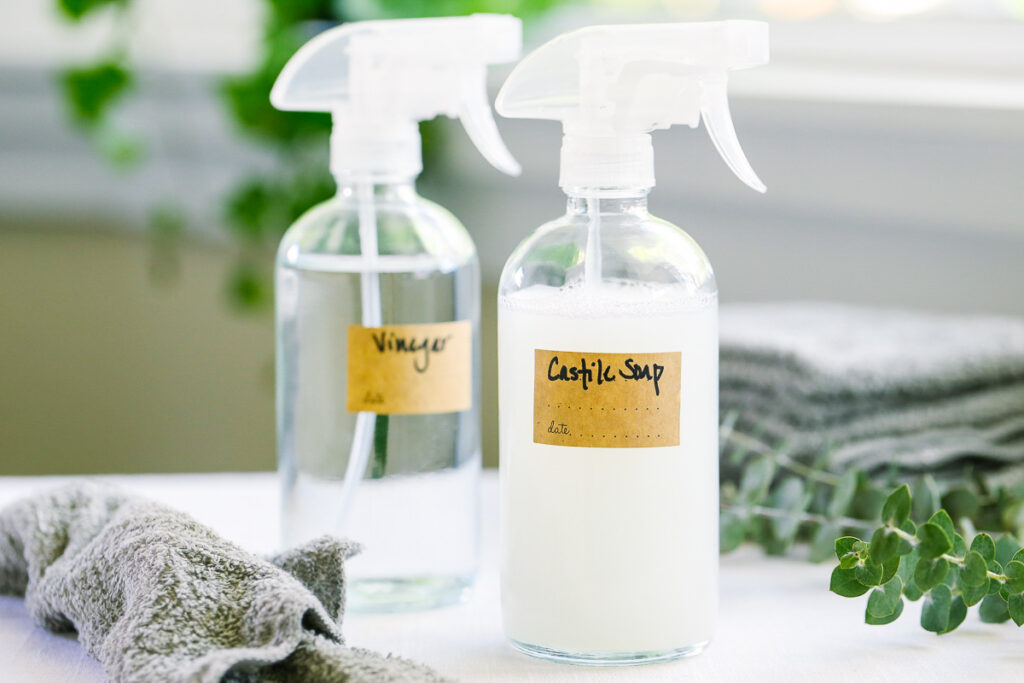
Ingredients
- 4 tablespoons baking soda
- 1 quart warm water
Instructions
- Dissolve baking soda in warm water.
- Apply to surfaces or use with a sponge.
This mixture cleans kitchen counters, sinks, and bathroom surfaces while removing odors.
2. Glass and Window Cleaner
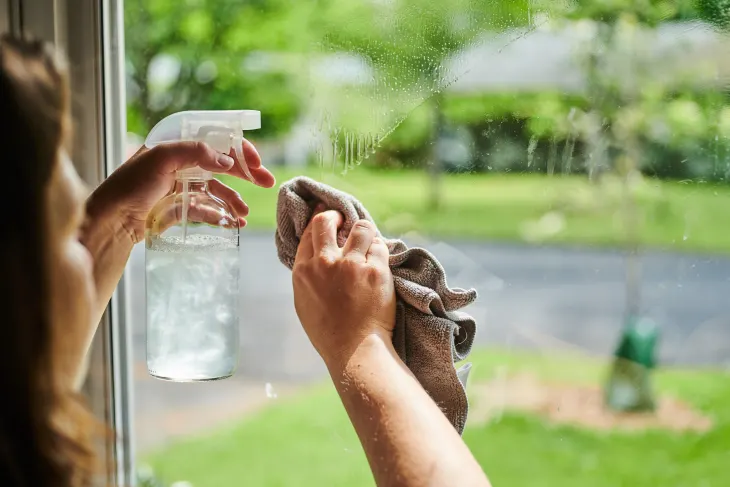
Ingredients
- 3 tablespoons cornstarch
- 1 cup white vinegar
- 1 gallon warm water
Instructions
- Mix ingredients in a large container.
- Pour into a spray bottle.
- Spray and wipe with a cloth.
This solution removes streaks and leaves glass surfaces clear.
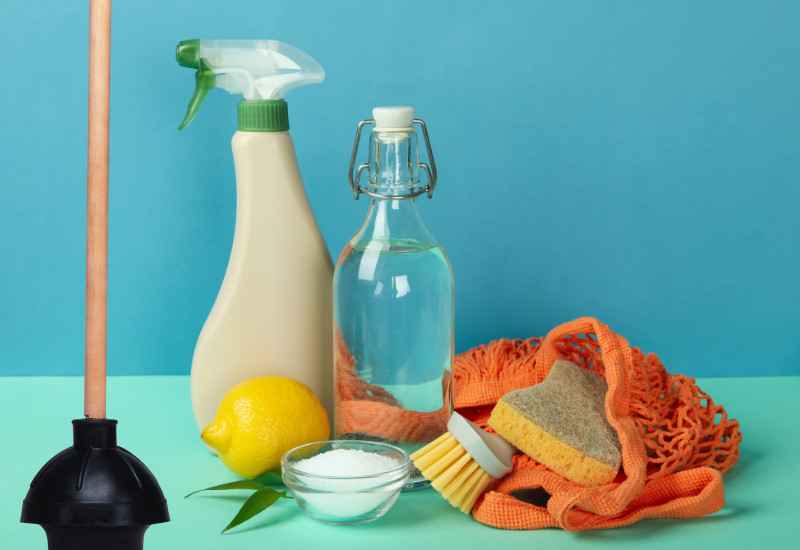
3. Natural Drain Cleaner
Ingredients
- 1 cup baking soda
- 1 cup white vinegar
Instructions
- Pour baking soda into the drain.
- Add vinegar and cover the drain.
- Wait a few minutes.
- Flush with boiling water.
The reaction between baking soda and vinegar helps break down buildup inside pipes.

4. Oven Cleaner
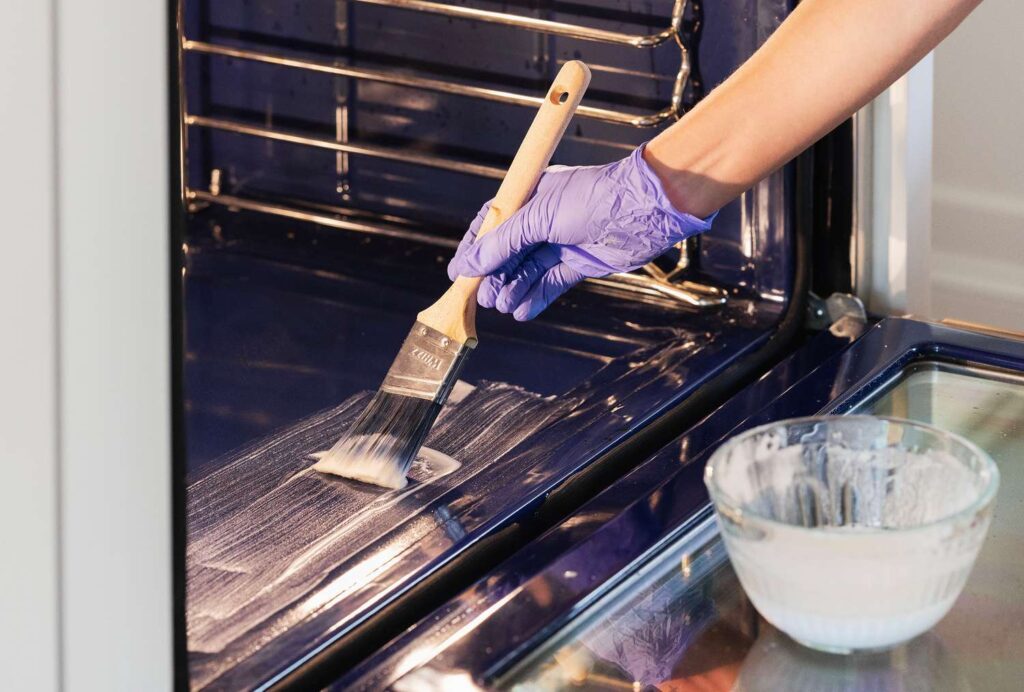
Instructions
- Sprinkle water inside the oven.
- Add a layer of baking soda.
- Scrub gently with fine steel wool.
- Wipe clean with a sponge.
This method removes grease without the fumes produced by chemical oven cleaners.
5. Toilet Bowl Scrub
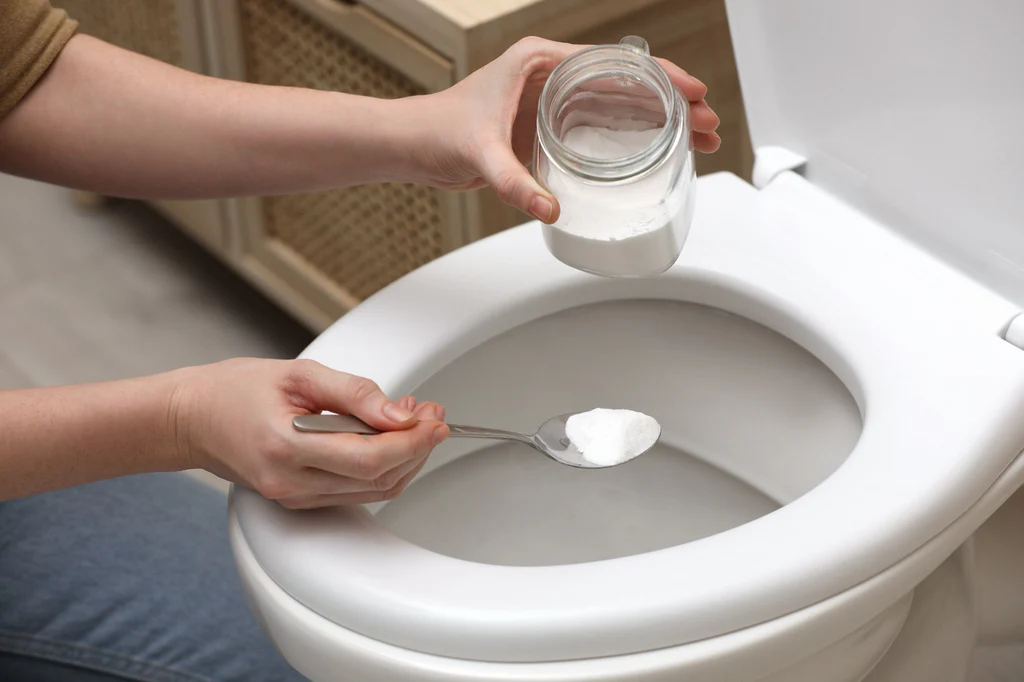
Instructions
- Sprinkle baking soda inside the bowl.
- Add vinegar.
- Scrub with a toilet brush.
This natural combination removes stains and freshens the bowl.
6. Tub and Tile Cleaner
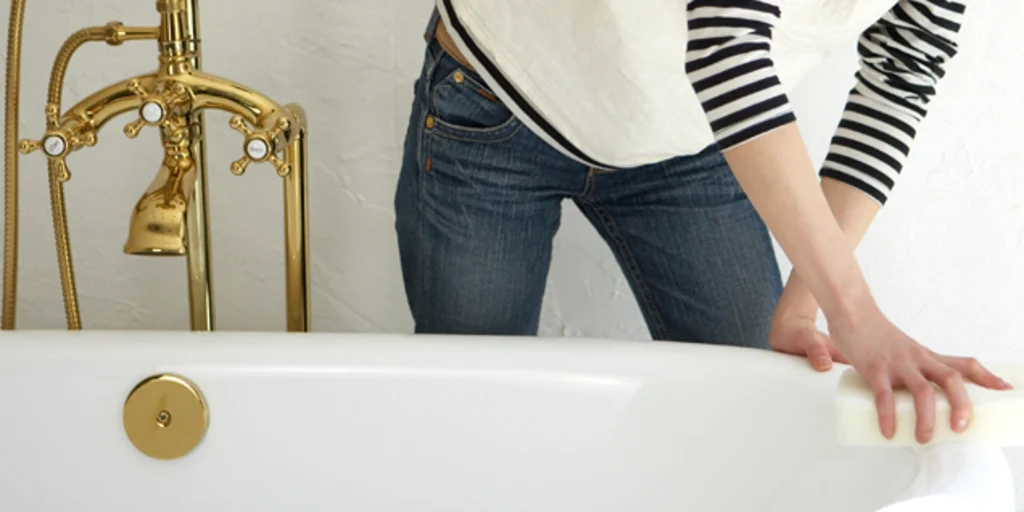
Instructions
- Sprinkle baking soda on surfaces.
- Use vinegar on a sponge.
- Scrub tiles and tubs thoroughly.
Baking soda acts as a gentle abrasive for grime and soap buildup.
7. Lime and Mineral Deposit Remover
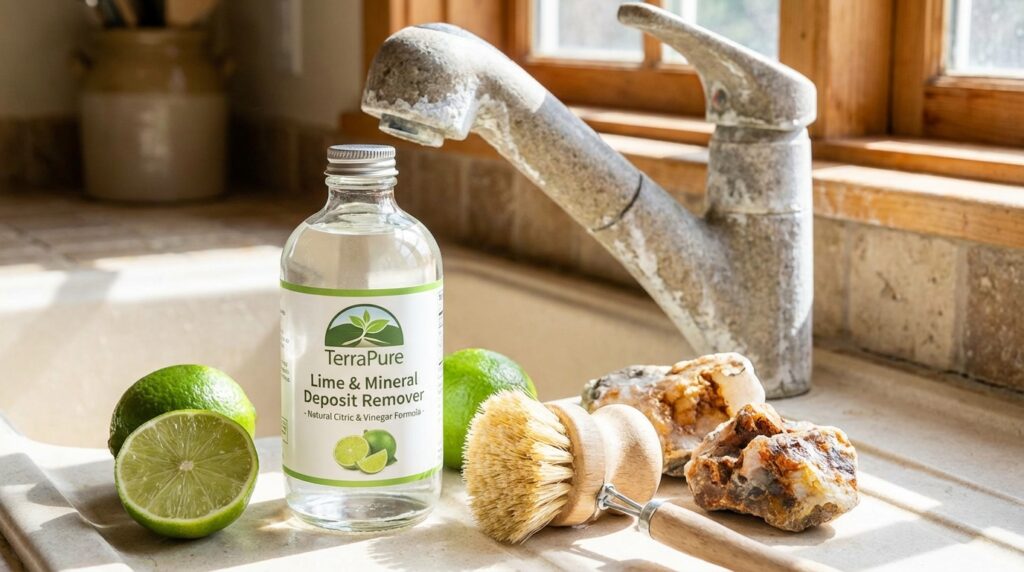
Instructions
- Soak paper towels with vinegar.
- Place them over mineral deposits on faucets.
- Leave for about one hour.
- Wipe clean.
This method loosens stubborn deposits around chrome fixtures.
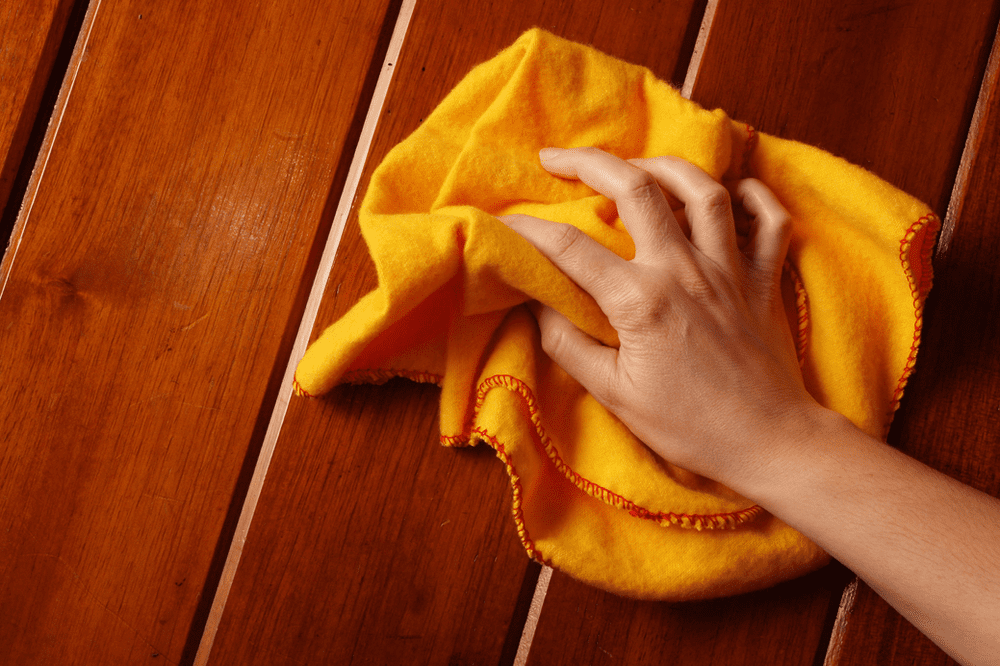
8. Furniture Polish
Ingredients
- 3 parts olive oil
- 1 part white vinegar
Instructions
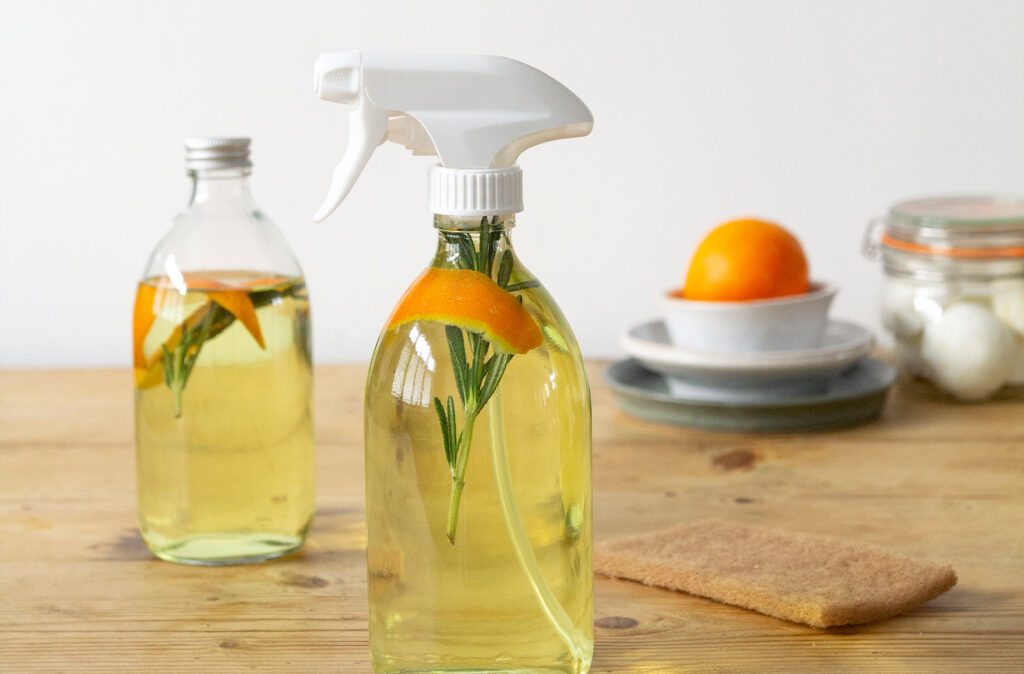
- Mix in a spray bottle.
- Apply with a soft cloth.
This mixture restores shine to wood furniture.
9. Natural Floor Cleaner

Ingredients
- 1 cup white vinegar
- 1 gallon warm water
Instructions
- Mix in a bucket.
- Mop floors as usual.
This simple solution cleans linoleum floors without leaving residue.
10. Carpet Deodorizer
Instructions
- Sprinkle baking soda over carpet.
- Wait 15 minutes.
- Vacuum thoroughly.
Baking soda absorbs odors and refreshes carpets naturally.
How DIY Cleaning Products Save Money
Homemade cleaners reduce household spending in several ways:
- Fewer products to buy Simple ingredients replace many specialty cleaners.
- Lower ingredient costs Vinegar and baking soda cost little and last for many uses.
- Multi-purpose solutions One mixture cleans multiple surfaces.
These affordable ingredients handle most cleaning tasks in a home while remaining safe and widely available.
Tips for Using Natural Cleaning Products
Follow these tips to improve results:
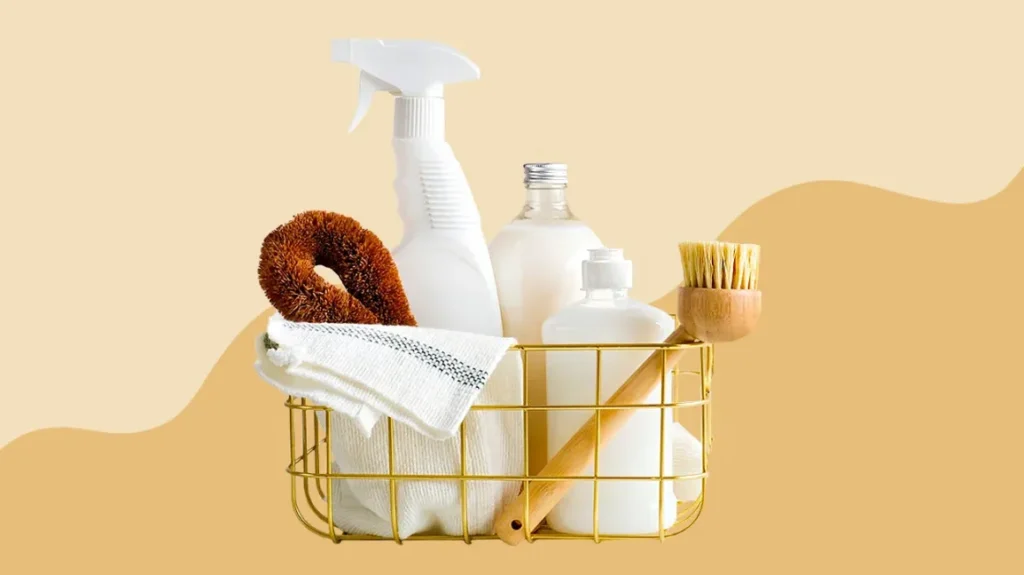
- Store homemade cleaners in labeled spray bottles
- Test solutions on small areas first
- Avoid mixing vinegar with certain materials like stone surfaces
- Keep any cleaning products out of reach of children
While natural cleaners reduce chemical exposure, basic safety practices remain important.
Final Thoughts
DIY cleaning products offer a simple way to maintain a clean home without harsh chemicals or high costs. Basic ingredients such as vinegar, baking soda, and olive oil handle most household cleaning tasks effectively.
With a few easy recipes, you reduce toxic exposure, cut cleaning expenses, and rely on simple ingredients already available in your pantry.