How Food Affects Your Mood: Nutrition & Mental Health Guide
Food does more than satisfy hunger. What you eat shapes brain function, emotional balance, and long term mental health. Researchers in nutritional psychiatry show a strong link between diet quality and mood disorders such as depression and anxiety.
Unlock 300+ Easy Recipes You’ll Actually Make
New recipes sent daily. Free forever!

Many people search for answers about food and mental health, brain food, and foods for mental health because diet influences how the brain produces neurotransmitters, manages inflammation, and regulates energy.
This guide explains the science behind the food and mood connection and highlights foods that support better mental well-being.
The Connection Between Food and Mental Health
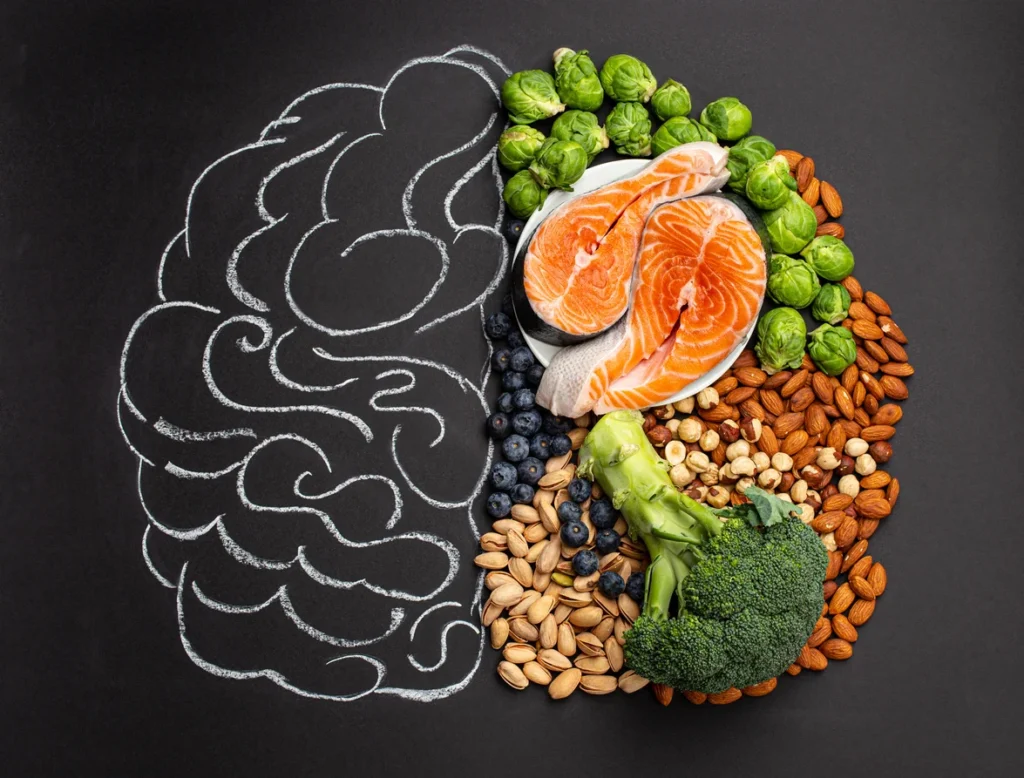
The brain needs constant fuel. Nutrients from food support brain structure, chemical signaling, and emotional regulation.
Research in nutritional psychiatry shows several key mechanisms:

1. Neurotransmitter Production

Brain chemicals such as serotonin and dopamine regulate mood, sleep, and motivation. Nutrients from food help the body produce these neurotransmitters.
For example:
- Tryptophan from protein foods helps create serotonin
- B vitamins support neurotransmitter synthesis
- Iron and zinc influence brain signaling
Low intake of these nutrients links with fatigue, low mood, and difficulty concentrating.
2. Gut and Brain Communication
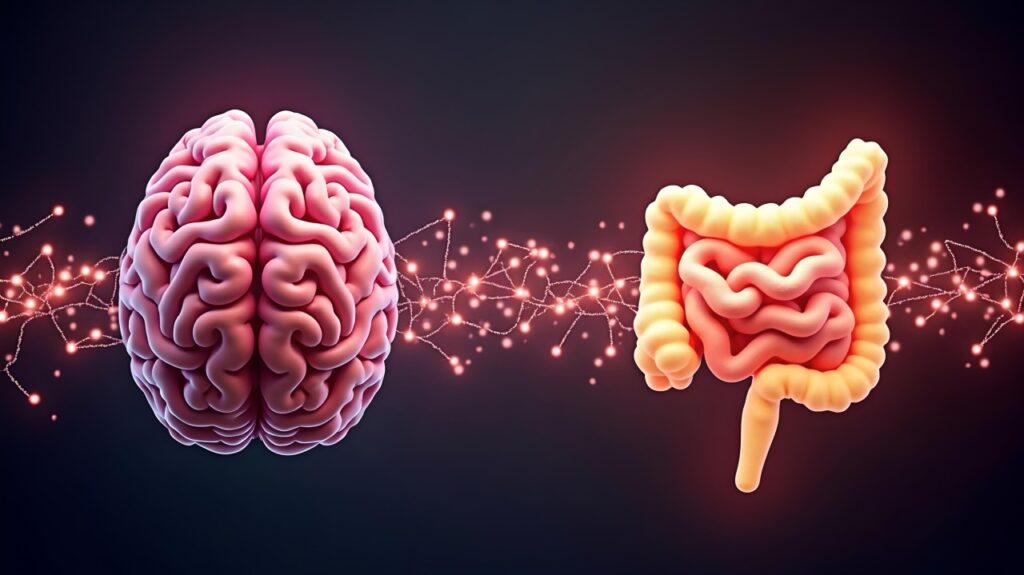
The digestive system hosts trillions of bacteria that form the gut microbiome. These microbes communicate with the brain through the gut-brain axis.
Diet shapes the microbiome. Diets rich in fiber, fruits, vegetables, and fermented foods promote beneficial bacteria. A balanced microbiome supports better mood regulation and lower stress.
3. Inflammation and Brain Health
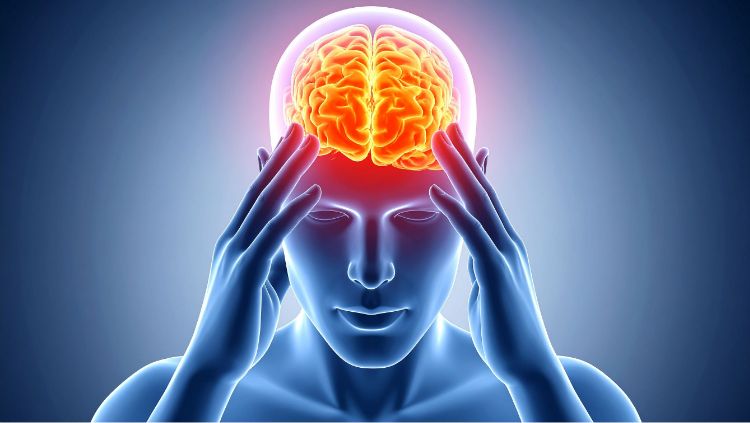
Chronic inflammation affects brain function. Diets high in processed foods and refined sugar increase inflammatory markers in the body.
Whole foods rich in antioxidants and healthy fats reduce inflammation and support cognitive health.

Nutrients That Influence Mood

Certain nutrients play a direct role in brain chemistry and emotional stability.
Omega-3 Fatty Acids
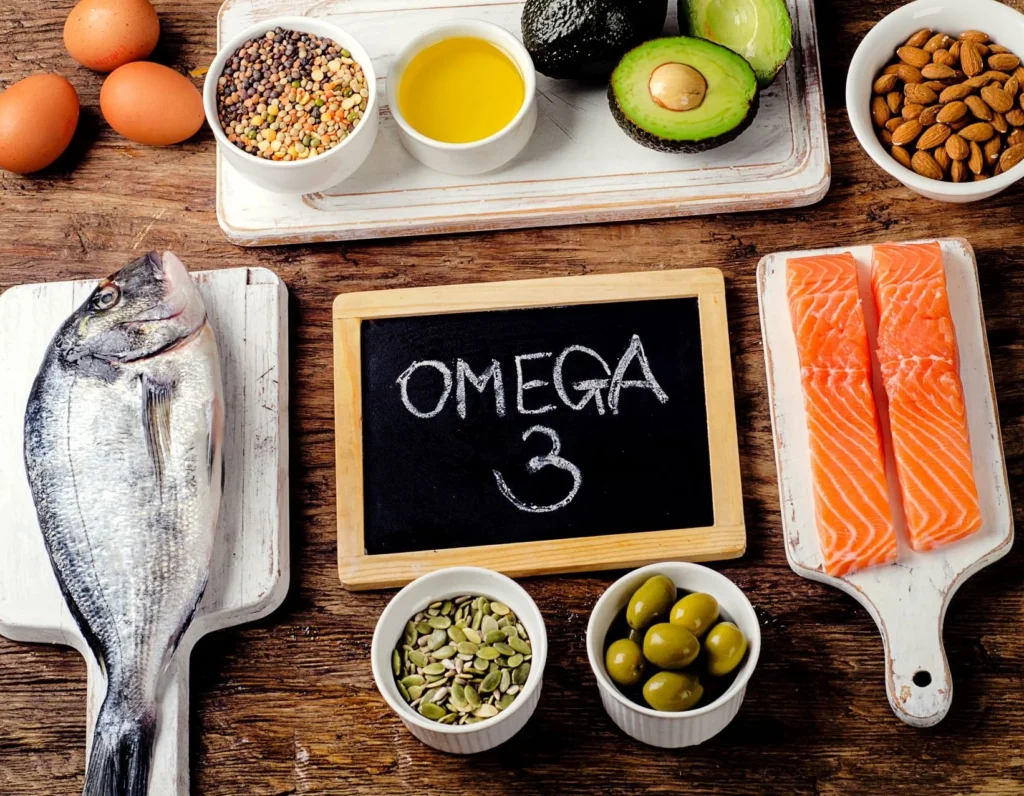
Omega-3 fats support brain cell structure and communication.
Studies associate higher intake of omega-3 with lower depression risk.
Good sources include:
- Fatty fish such as salmon, sardines, and mackerel
- Chia seeds
- Walnuts
- Flaxseeds
B Vitamins
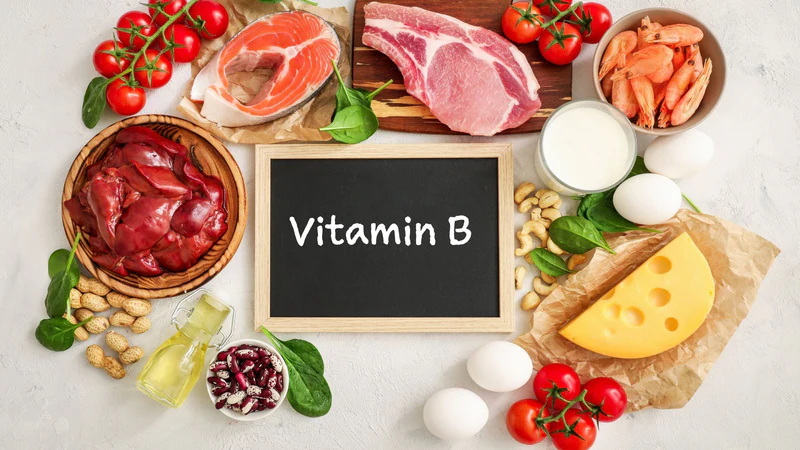
B vitamins help convert food into energy and support neurotransmitter production.
Low levels of folate, B6, and B12 appear in many people with mood disorders.
Foods rich in B vitamins include:
- Leafy greens
- Whole grains
- Eggs
- Legumes
- Dairy products
Amino Acids
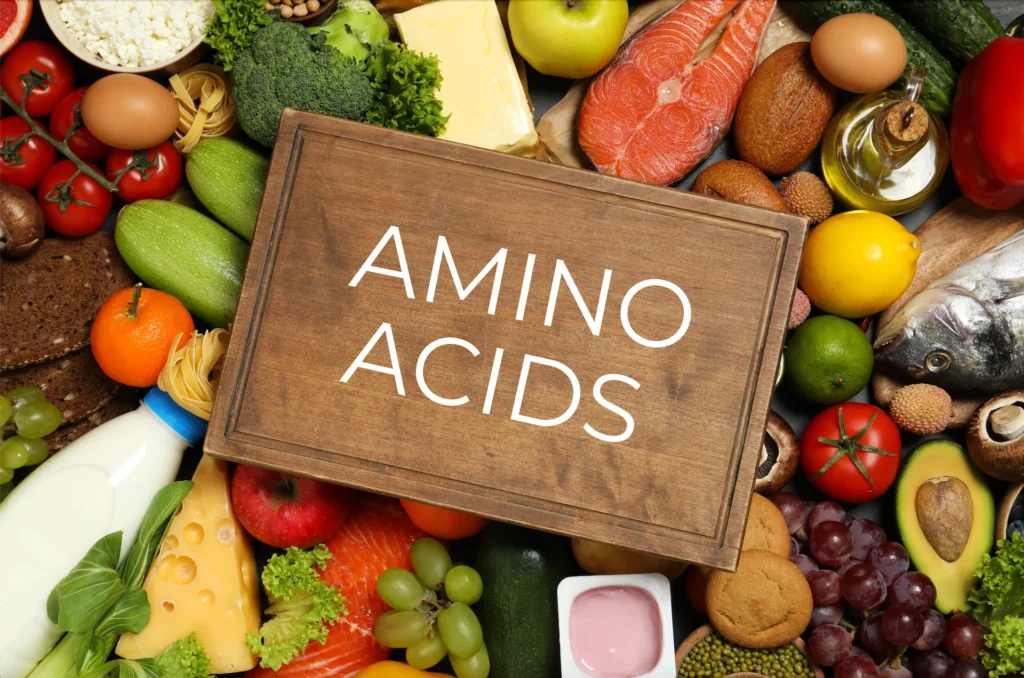
Amino acids from protein foods form the building blocks of neurotransmitters.
Tryptophan plays a major role in serotonin production.
Sources include:
- Turkey and chicken
- Eggs
- Soy products
- Nuts and seeds
- Cheese
Magnesium
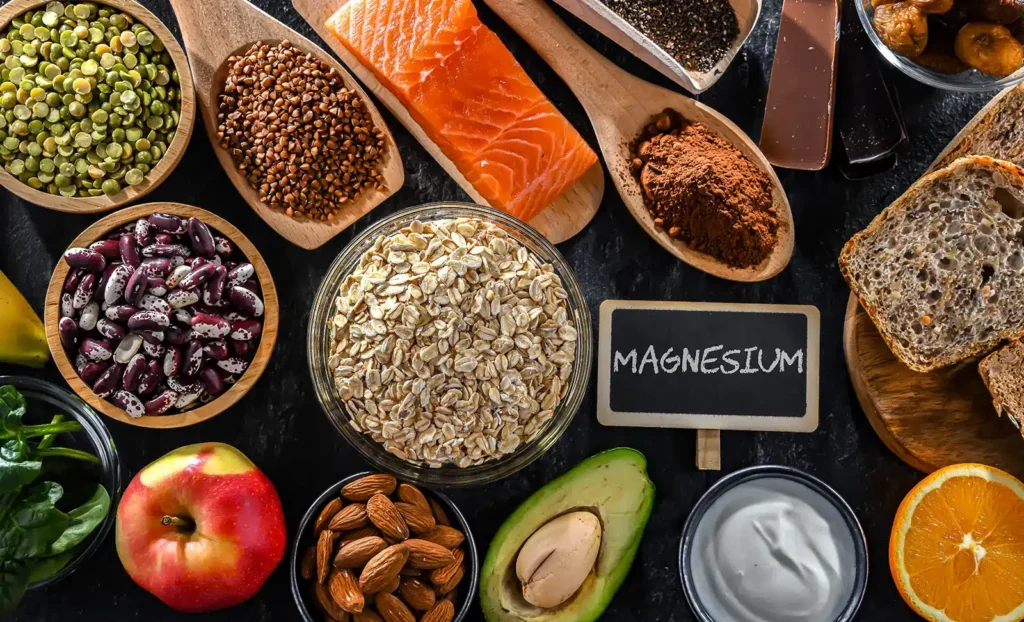
Magnesium influences stress response and nervous system function.
Low magnesium intake links with irritability and fatigue.
Foods high in magnesium include:
- Dark leafy greens
- Pumpkin seeds
- Almonds
- Dark chocolate
- Whole grains
Foods That Support Better Mood
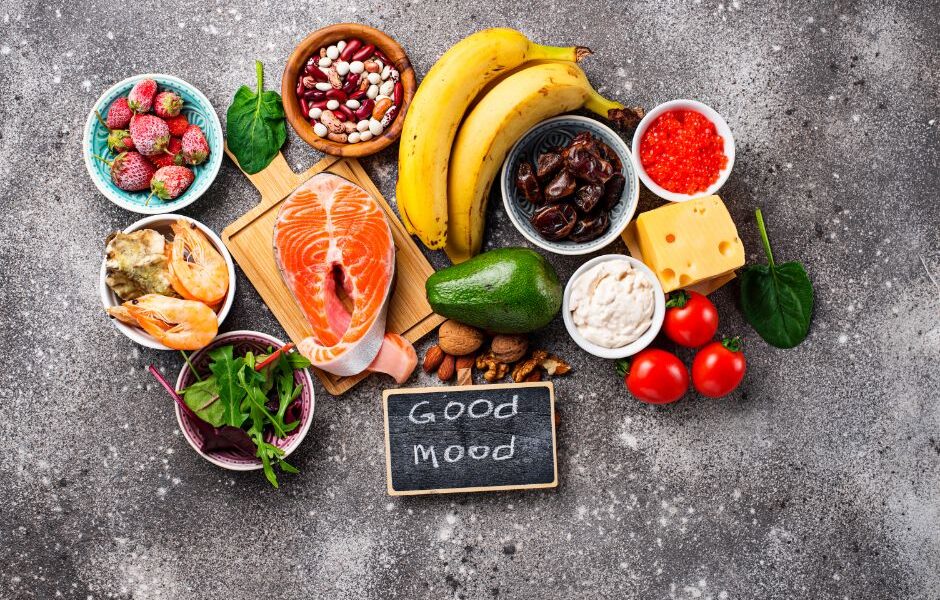
A diet focused on whole, nutrient-dense foods supports emotional health.
Below are key brain food groups associated with improved mental well-being.
Fruits and Vegetables
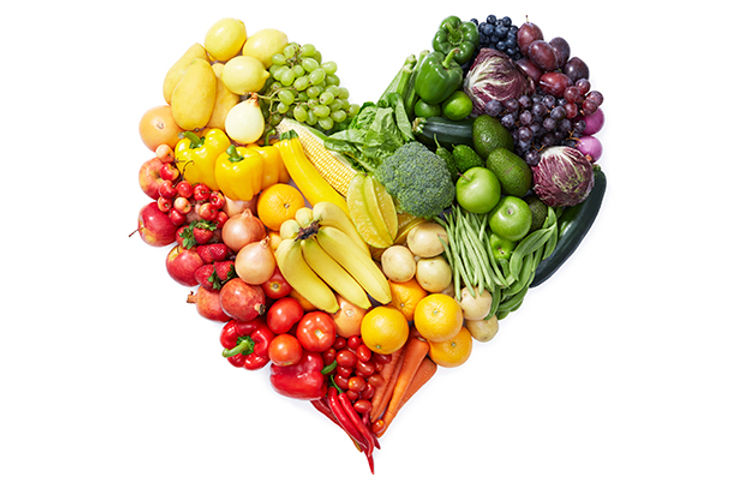
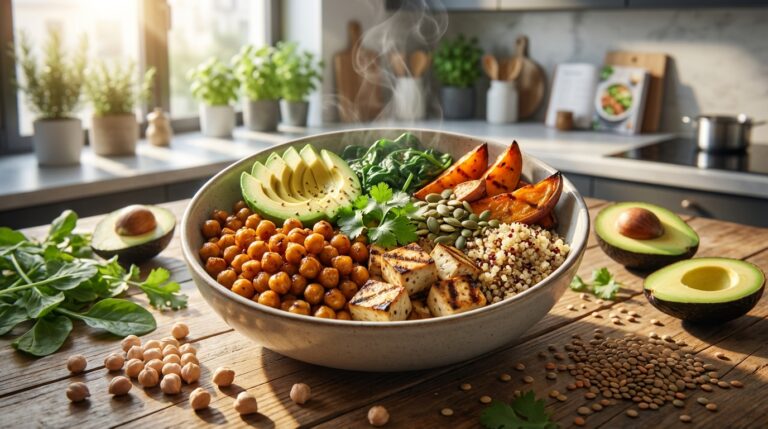
Fruits and vegetables provide antioxidants, fiber, vitamins, and minerals. These nutrients protect brain cells from oxidative stress and support gut health.
Examples:
- Berries
- Spinach
- Broccoli
- Carrots
- Citrus fruits
High fruit and vegetable intake links with improved mood and psychological well-being.
Whole Grains
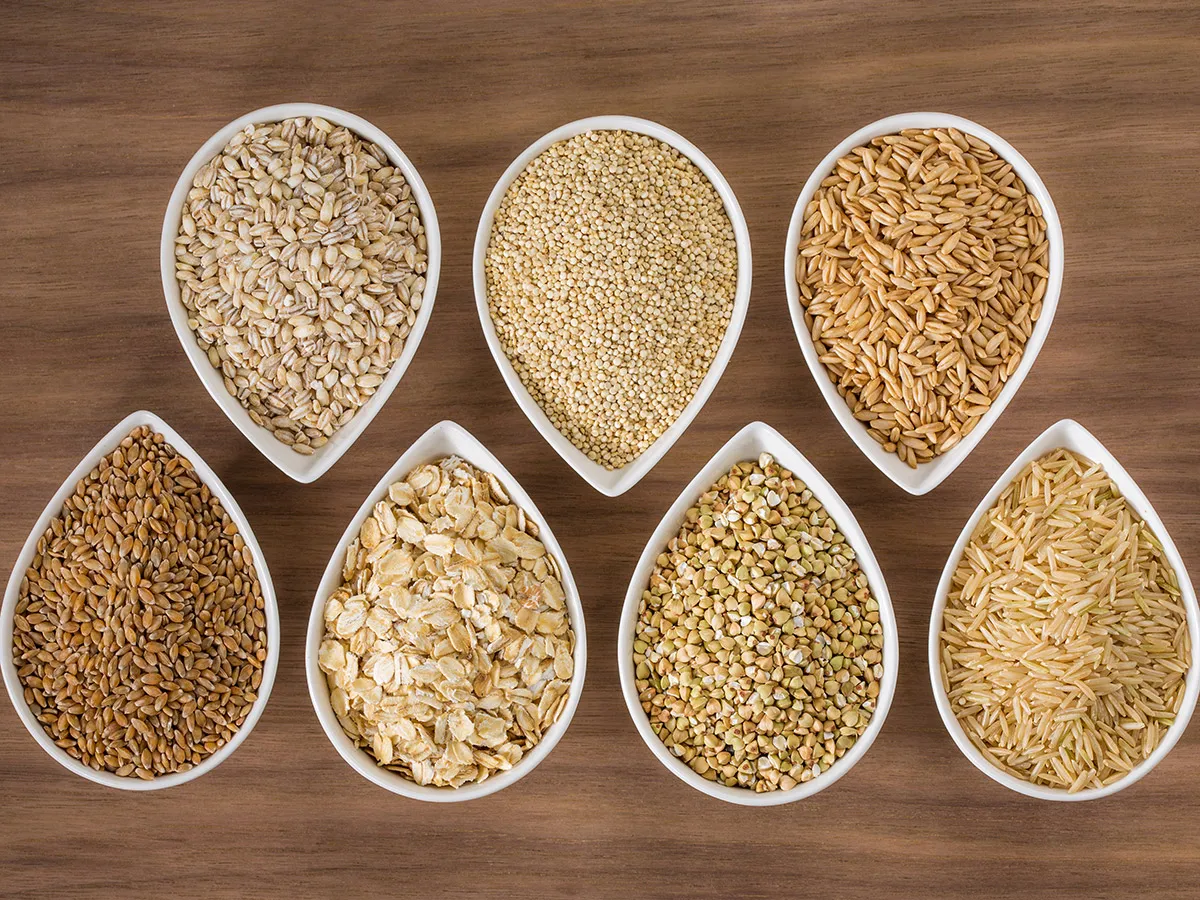
Whole grains provide steady energy and support serotonin production.


Stable blood sugar levels help prevent mood swings and irritability.
Examples:
- Oats
- Brown rice
- Quinoa
- Whole wheat bread
Fermented Foods

Fermented foods support a healthy gut microbiome.
Examples include:
- Yogurt
- Kefir
- Sauerkraut
- Kimchi
- Miso
A balanced microbiome influences stress regulation and emotional health.
Healthy Fats
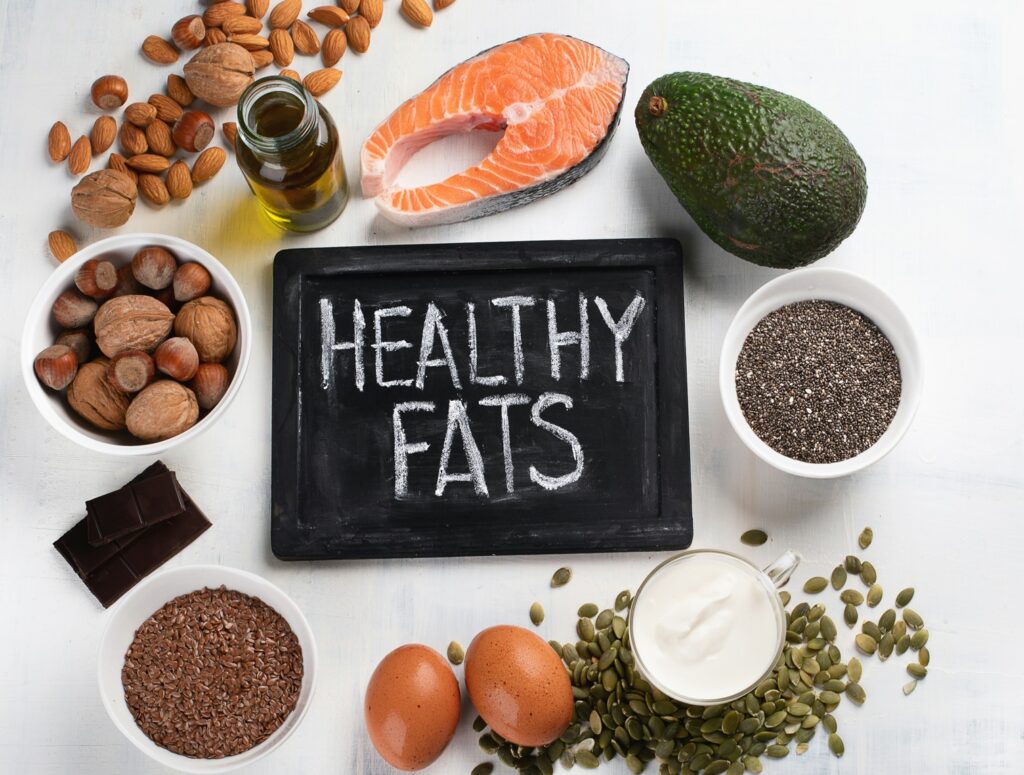
Healthy fats support brain cell membranes and neural communication.
Examples include:
- Avocado
- Olive oil
- Nuts
- Seeds
- Fatty fish
These fats also reduce inflammation in the brain.
Foods That Harm Mood
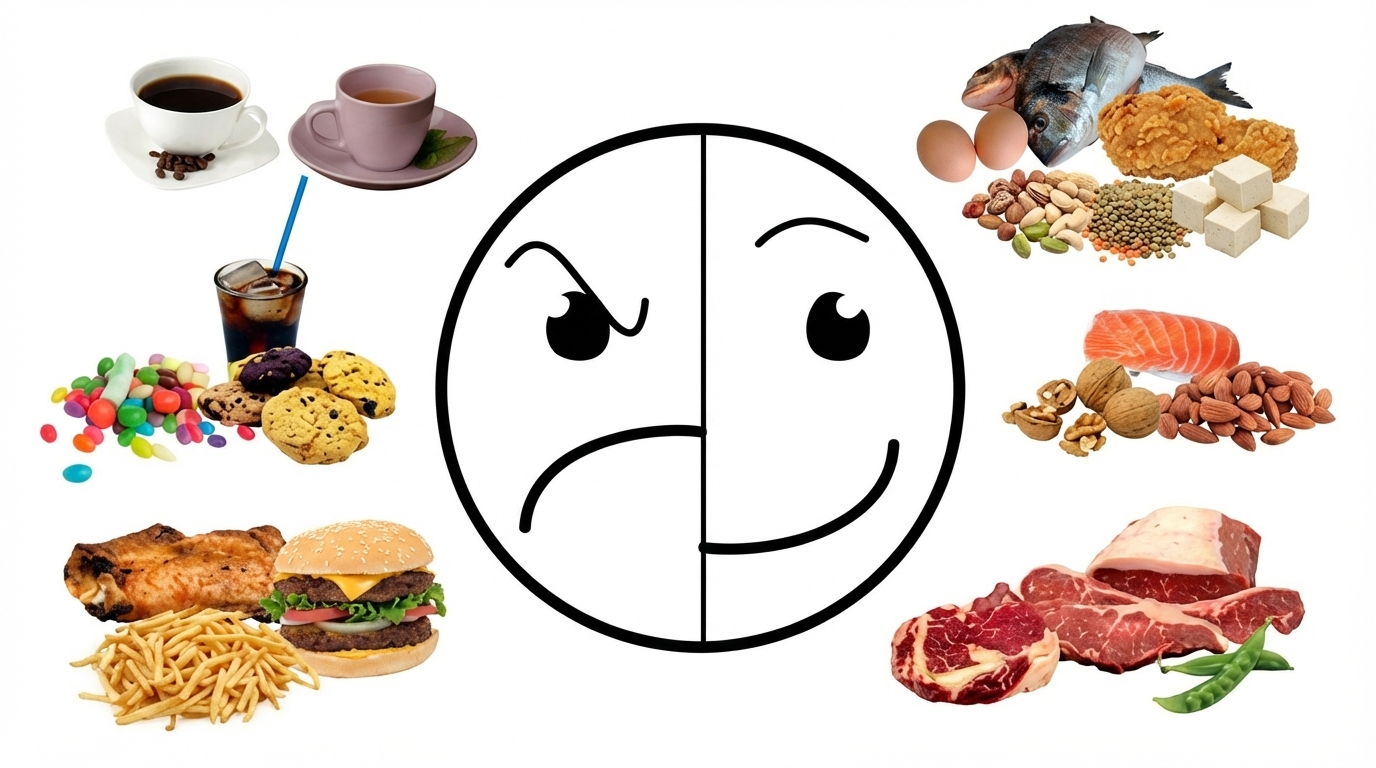
Diet patterns high in processed foods correlate with poorer mental health.
Common factors include:
Refined Sugar
High sugar intake leads to blood sugar spikes followed by crashes. These fluctuations affect mood, energy levels, and concentration.
Ultra-Processed Foods
Highly processed foods often lack essential nutrients and contain high levels of salt, sugar, and unhealthy fats.
Regular intake links with higher rates of depression and fatigue.
Excessive Caffeine
Moderate caffeine intake improves alertness. High intake increases anxiety, sleep problems, and irritability.
The Mediterranean Diet and Mental Health
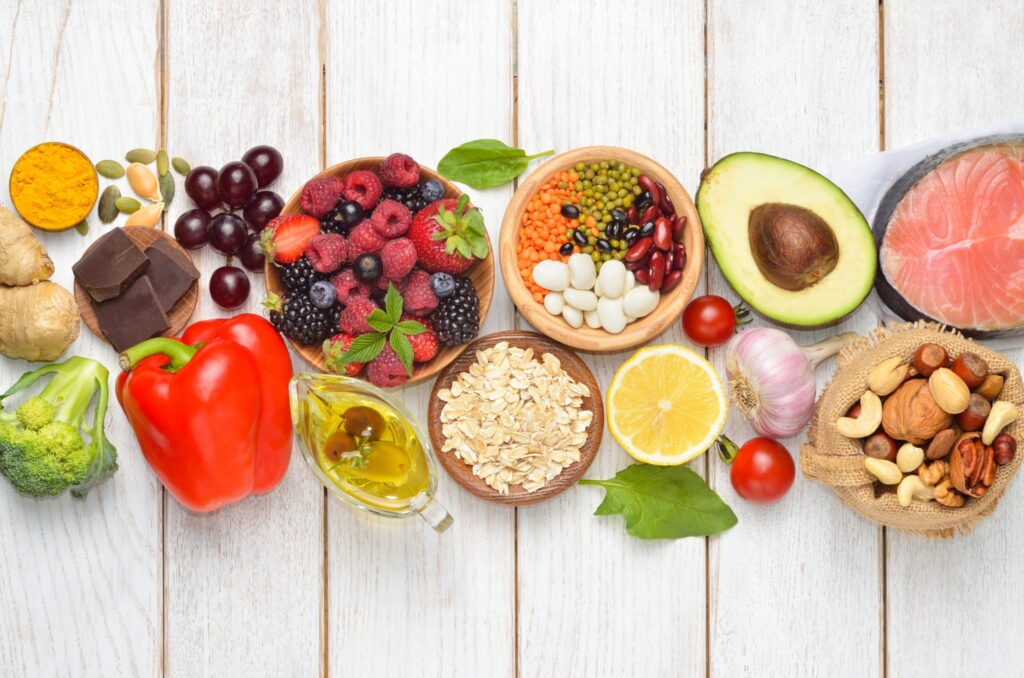
Many studies highlight the Mediterranean diet as one of the most beneficial eating patterns for brain health.
Key components include:
- Fruits and vegetables
- Whole grains
- Olive oil
- Fish and seafood
- Nuts and legumes
- Moderate dairy intake
This diet pattern provides anti-inflammatory nutrients and healthy fats. Research shows people following Mediterranean style diets report lower depression rates and improved cognitive function.
Practical Tips to Improve Mood Through Food

Small diet changes influence mental health over time.
Try these practical strategies:
Eat Balanced Meals
Include protein, healthy fats, and complex carbohydrates in each meal. Balanced meals maintain stable energy levels.
Focus on Whole Foods
Build meals around fruits, vegetables, whole grains, lean protein, and healthy fats.
Support Gut Health
Add fermented foods and fiber-rich foods to daily meals.
Stay Hydrated
Mild dehydration affects mood, focus, and mental performance.
Reduce Ultra-Processed Foods
Limit foods high in refined sugar and artificial additives.
Why Nutrition Matters for Mental Health
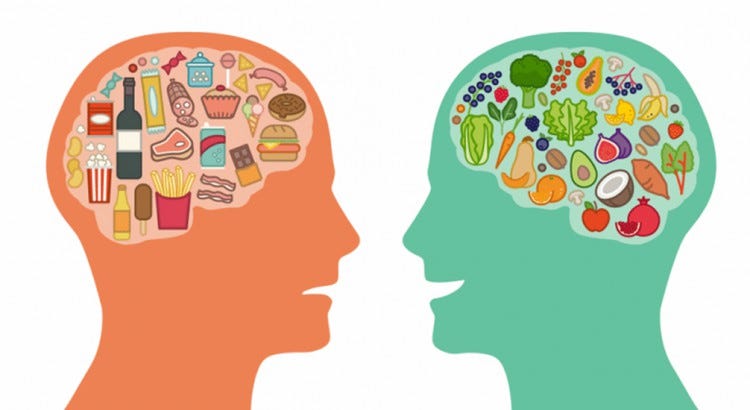
Mental health depends on many factors such as sleep, stress, environment, and lifestyle. Diet plays a key role in this system.
A nutrient-dense diet supports:
- neurotransmitter production
- healthy brain structure
- balanced gut microbiome
- stable energy levels
- reduced inflammation
Because of this relationship, many professionals now integrate nutrition into mental health treatment.
Interest in food and mental health, brain foods, and nutrition for mental health continues to grow as more people recognize the influence of diet on emotional well-being.
Final Thoughts
Food shapes how the brain functions each day. Nutrients influence mood, stress response, and cognitive performance.
A diet rich in whole foods such as fruits, vegetables, healthy fats, whole grains, and fermented foods supports better mental health. Reducing processed foods and excess sugar helps maintain stable mood and energy.
Consistent nutrition habits create long term benefits for both brain health and emotional balance.