Monthly Budget Template for Stay-at-Home Moms (Free Budget Planner)
What Is a Monthly Budget and Why It Matters for Stay-At-Home Moms
A monthly budget shows every dollar you expect to receive and every dollar you plan to spend. You start by listing your income, then break it into categories like bills, groceries, savings, and fun. Tracking spending gives clarity and helps your family reach financial goals.
Unlock 300+ Easy Recipes You’ll Actually Make
New recipes sent daily. Free forever!

When you handle the household finances, a clear monthly budget template makes decision-making easier, reduces stress, and shows you where money goes each month.

How to Start Your Monthly Budget (Easy Steps)
These steps will help you build a practical family budget planner you can repeat every month.
1. Add Up Your Monthly Income
First, figure out how much money you have after taxes and deductions. This should be the money you actually use to pay bills and expenses.
Include all income sources your household receives each month.

2. List Your Fixed Expenses
Fixed expenses are the bills you pay regularly and that stay similar each month.
Examples of fixed expenses:
- Rent or mortgage
- Utilities
- Internet and phone
- Insurance
- Loan payments
These are the costs you must cover first.
3. Set Your Variable Spending Categories
Next, create categories that change month to month. These are often the areas a family budget planner helps you control.
Typical variable categories:
- Groceries
- Gas and transport
- Household supplies
- Kids activities
- Personal care
- Entertainment
You do not fill in exact numbers yet. Think of these as your buckets for tracking spending throughout the month.
4. Prioritize Savings
List your savings goals and amounts before you track spending.
Common savings goals:
- Emergency fund
- Holiday costs
- School costs
- Future vacations
- Retirement
This gives savings a job in your budget.
5. Start Tracking and Adjust
Once you set up categories, begin recording spending. Watch trends and adjust amounts if categories run out of money too quickly. Making changes early saves frustration later.
Monthly Budget Template You Can Use
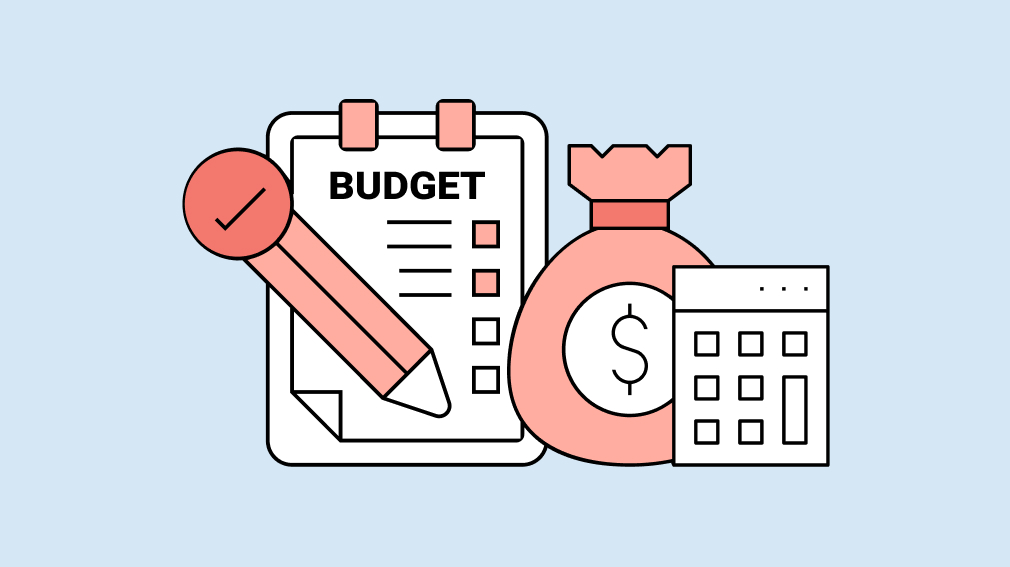
Here is a simple version you can copy into Sheets, Excel, Notion, or a printable planner:
Income
• Total net income
Expenses
• Housing
• Utilities
• Transportation
• Insurance
• Groceries
• Kids & activities
• Household & toiletries
• Entertainment
• Other
Savings
• Emergency fund
• Big purchases
• Long-term goals
Totals
• Total income
• Total expenses
• Total savings
• Remaining balance
Finish by subtracting total spending from total income. If expenses are higher than income, adjust categories before the next month starts.


🎁 Get the Free Budget Planner (Printable PDF)
Want a ready-to-use monthly budget template?
Download my free Budget Planner PDF and start organizing your income, bills, debt, savings, and expenses today.
✔ Clean and simple layout
✔ Sections for income, bills, variable expenses, debt and savings
✔ Easy to print and use every month
Enter your email below and get instant access.
Sample Monthly Budget for a Stay-At-Home Mom

Here is a real-world example using $3,800 monthly net income:
Fixed Expenses
• Rent: $1,100
• Utilities: $300
• Phone/Internet: $150
• Insurance: $280
Variable Expenses
• Groceries: $550
• Gas/Transport: $250
• Kids activities: $200
• Household & Personal: $320
• Entertainment: $100
Savings Goals
• Emergency fund: $350
• Holiday fund: $200
• School costs: $200
Totals:
• Total income: $3,800
• Total expenses + savings: $3,800
This structure helps you see where every dollar goes, and gives you control month to month.
Tips for Making Your Budget Work
Follow these practices to keep your budget useful month after month:
Track Weekly
Set a habit of entering spending every few days instead of waiting until month-end.
Be Honest
Record every expense, even small purchases. Small items add up fast.
Review Monthly
At the end of the month, review totals and update your template based on real numbers.
Setup Alerts or Tools
You may use apps or spreadsheets to help you update spending automatically.
How to Save Money as a Stay-At-Home Mom

Many moms search for ways to cut costs without feeling deprived. Practical saving habits help your budget stretch.
Here are effective approaches:
• Plan weekly meals before shopping
• Build grocery lists and stick to them
• Cancel unused subscriptions
• Use free family activities instead of paid ones
• Compare prices before buying
These strategies reduce pressure on your monthly budget planner and help you reach goals faster.
Final Notes
Creating a monthly budget does not need to be hard. The key is consistency. Once you build your template and repeat the process each month, you will understand your family spending and priorities more clearly.
Start with a simple structure and refine over time. Your money will work better for your family goals.